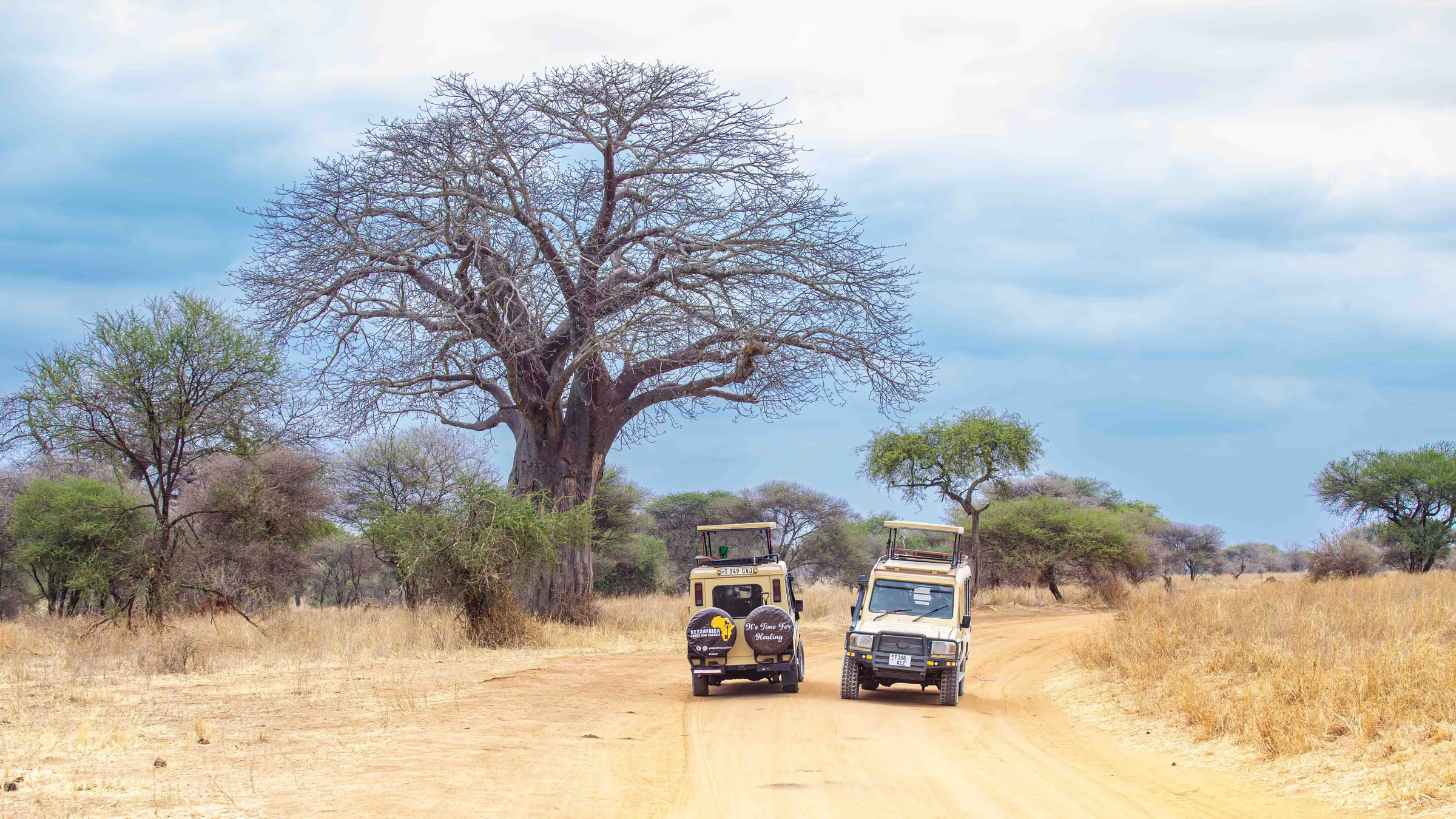
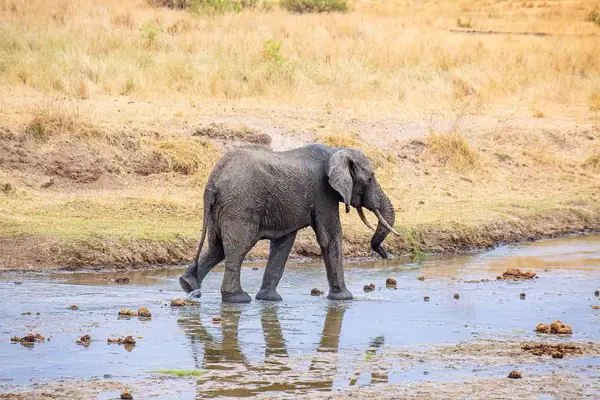
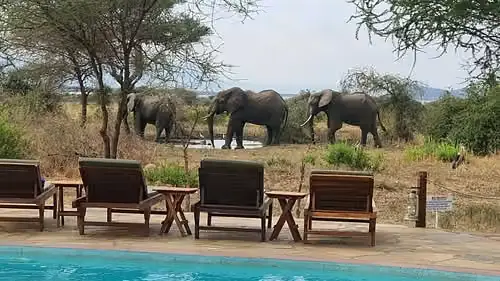
Tarangire National Park is famous for its large elephant herds, ancient baobab trees and the Tarangire River, which draws wildlife from the surrounding plains in the dry season. Between June and October, when water is scarce elsewhere, the park holds one of the highest concentrations of wildlife in northern Tanzania. It is also excellent for birdwatching, with more than 550 recorded species, and lies an easy drive from Arusha.
The park covers about 2,850 square kilometres of Manyara Region and became a national park in 1970. Its landscape mixes river valleys, swamps, grassland and woodland dotted with baobabs. The Tarangire River, which gives the park its name, is the main source of fresh water for wildlife across the wider Tarangire ecosystem in the dry season, so zebras, wildebeest, buffalo and elephants gather along it in large numbers.
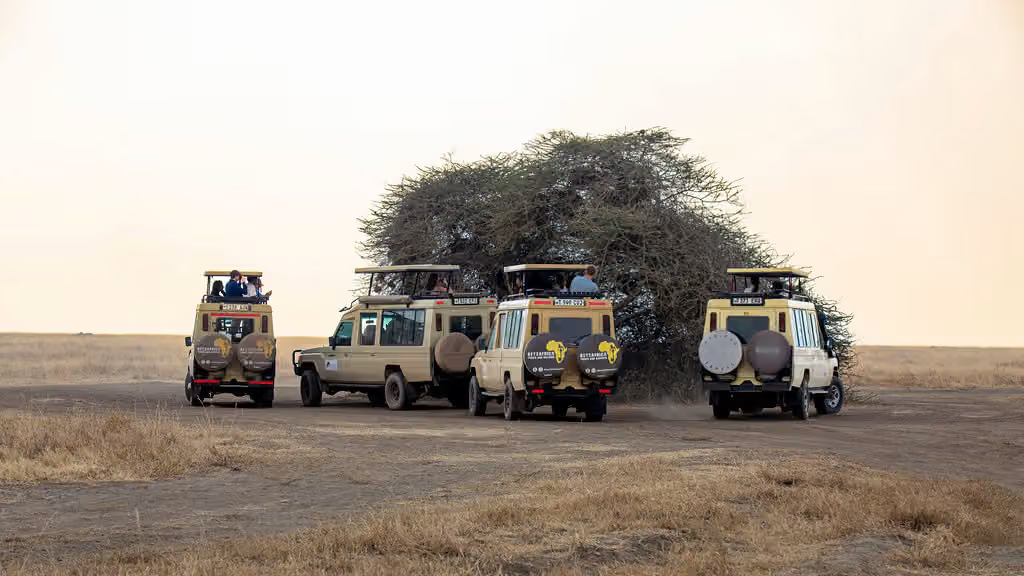
When the rains return, many of the grazing herds disperse out of the park onto the surrounding Maasai Steppe to graze and calve, while resident wildlife, birdlife and green scenery keep the park rewarding. Predators include lion, leopard and cheetah. The park lies close to the road to Lake Manyara and the Ngorongoro Crater, so it combines easily with them and with the Serengeti on a northern circuit safari.