Skip to content
Ngorongoro Crater

Ngorongoro Crater

A vast volcanic caldera and UNESCO World Heritage Site with one of Africa's densest wildlife populations, including black rhino.

About Ngorongoro Crater

The Ngorongoro Crater is the largest unbroken and unflooded volcanic caldera in the world, formed when a large volcano collapsed on itself two to three million years ago. Its floor covers around 260 square kilometres, enclosed by walls about 600 metres high. The crater lies within the Ngorongoro Conservation Area, which was created in 1959 and listed as a UNESCO World Heritage Site in 1979.

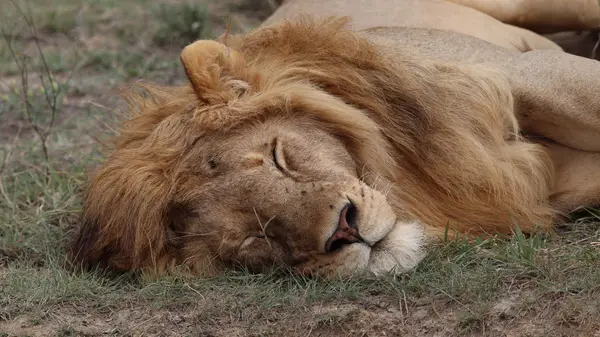
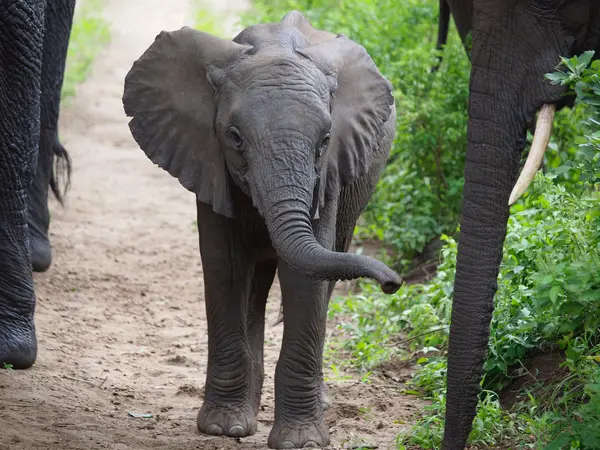
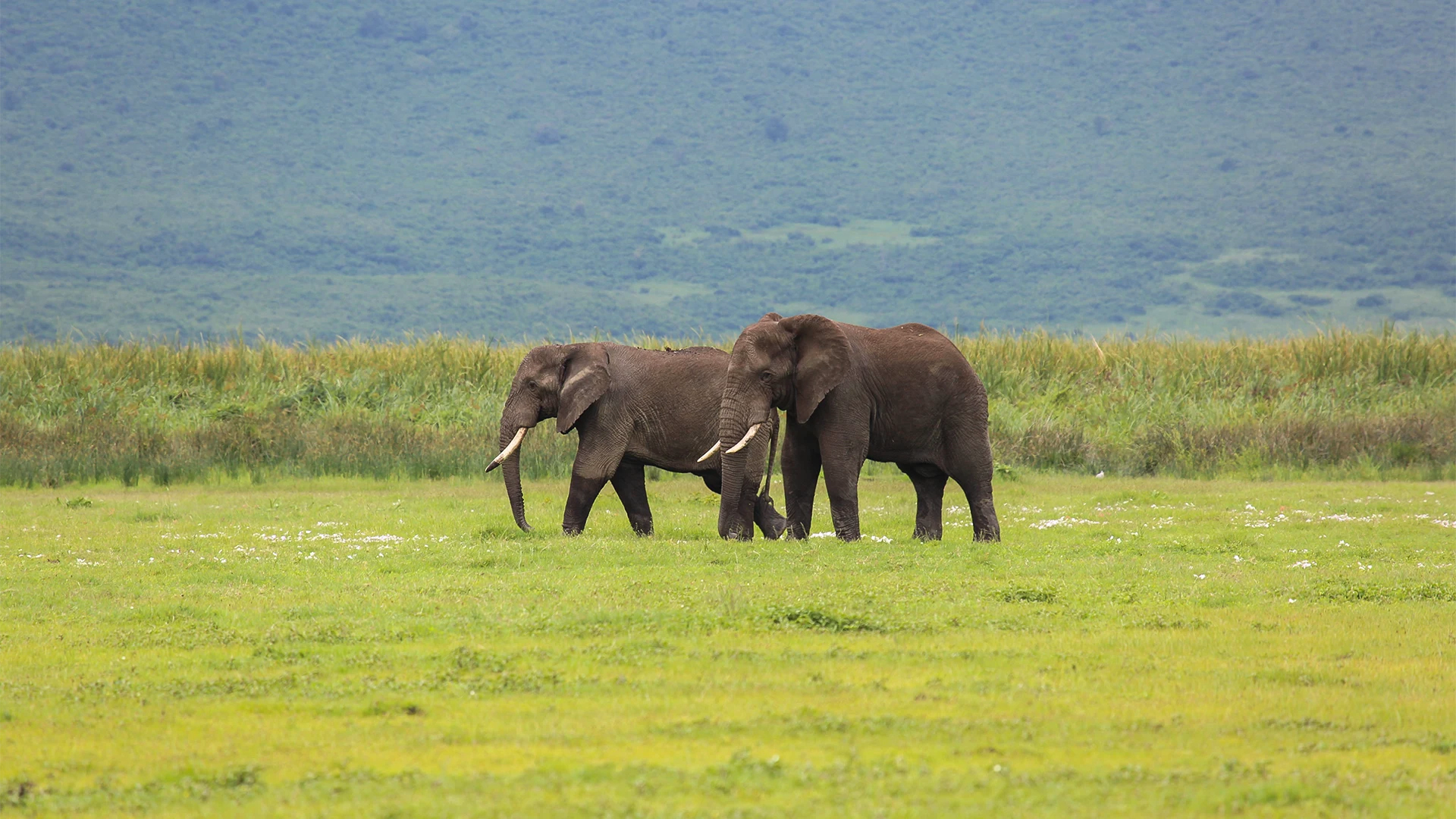
The crater floor has grassland, swamps, the Lerai Forest and a seasonal soda lake, Lake Magadi. Together they support one of the densest wildlife populations in Africa, including the endangered black rhino, lions, spotted hyenas, elephants, buffalo and large herds of wildebeest and zebra. Food and water are available all year, so much of the wildlife does not need to migrate. Flamingos gather on the lake when conditions suit.

Most visitors stay on the crater rim or in the Karatu highlands and drive down for a game drive on the crater floor, often starting early. The crater is usually combined with Lake Manyara, Tarangire and the Serengeti on a northern circuit safari.

Quick facts

Location

Ngorongoro Conservation Area, Ngorongoro District, Arusha Region

Size

Crater floor of about 260 km², with walls about 600 m high

Established

Conservation area created in 1959; UNESCO World Heritage Site since 1979

Best time to visit

All year; June to October is the driest period

Getting there

About 160 km by tarmac road from Arusha to the Lodoare Gate, then up to the crater rim

Known for

Black rhino, lions, dense wildlife and views from the crater rim

When to go

Water and grazing are available in the crater throughout the year, so much of the wildlife stays put and there is no bad time to visit. The dry season, from about June to October, brings short grass and clear views, but it is also the busiest period. The rains, from about November to May, turn the crater green, and the heaviest rain usually falls from March to May. The rim sits at around 2,300 m and is cold at night and early in the morning all year.

Getting there

The Lodoare Gate into the Ngorongoro Conservation Area is about 160 km from Arusha by tarmac road, passing Mto wa Mbu, Lake Manyara and Karatu. Allow about 2 to 3.5 hours, depending on stops. From the gate, a road climbs through forest to the crater rim, and steep roads lead down to the crater floor. Visitors from Dar es Salaam or Zanzibar usually fly to Arusha or Kilimanjaro and continue by road. The road to the Serengeti also runs through the conservation area, so the crater is often visited on the way to or from the Serengeti.

A closer look

Natural and cultural heritage

UNESCO first listed the Ngorongoro Conservation Area for its natural value in 1979 and recognised its cultural value in 2010, making it a mixed World Heritage Site.

Questions travellers ask

Things to do in Ngorongoro Crater

Maasai Cultural Experience

A Maasai cultural experience offers a meaningful opportunity to meet local Maasai communities and learn about their traditions, daily life, values, and deep connection with the land. Rather than simply observing from a distance, you can engage with community members and gain a better understanding of one of Tanzania’s most recognized cultures.

Add to my trip

Walking Safari

A walking safari offers a completely different way to experience Tanzania’s wilderness. Leave the safari vehicle behind and explore the landscape on foot with an experienced walking guide, discovering the smaller details, sounds, tracks, plants, and wildlife signs that are often missed from a vehicle.

Add to my trip

Safaris that visit Ngorongoro Crater

All 31 safaris

Where to stay

All 4 stays
Embalakai Ngorongoro Camp
Style: Midrange

Embalakai Ngorongoro Camp

Tented camp · Ngorongoro Conservation Area, near the Elerai River

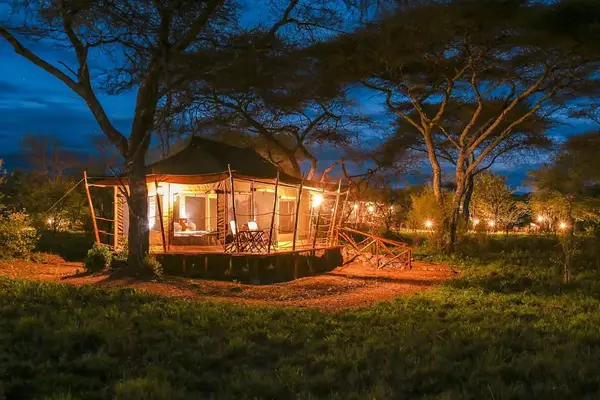
An intimate ten-tent retreat in the Ngorongoro Conservation Area, with private bathrooms and views across acacia woodland and distant hills.

Location
Ngorongoro Crater
Suggested stay
2 nights
Our safaris
On 1 safari
Ngorongoro Lodge by Melia
Style: Luxury · top-end

Ngorongoro Lodge by Melia

Safari lodge · Ngorongoro Conservation Area

The Ngorongoro Conservation Area is home to an ecosystem which is truly unique to Tanzania.

Location
Ngorongoro Crater
Suggested stay
2 nights
Our safaris
On 6 safaris
Ngorongoro Serena Safari Lodge
Style: Luxury

Ngorongoro Serena Safari Lodge

Safari lodge · Western rim of the Ngorongoro Crater

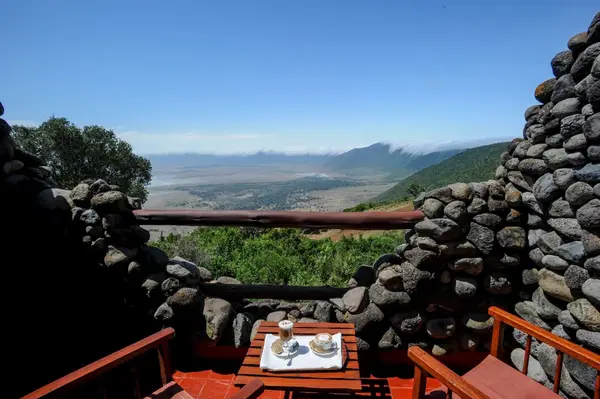
A stone-built lodge set into the western rim of the Ngorongoro Crater at about 2,300 m, with every room looking out over the crater.

Suggested stay
1 night
Our safaris
On 12 safaris
Ngorongoro Tortilis Camp
Style: Midrange

Ngorongoro Tortilis Camp

Tented camp · Landana Campsite, slopes of Mount Makarot, Ngorongoro Conservation Area

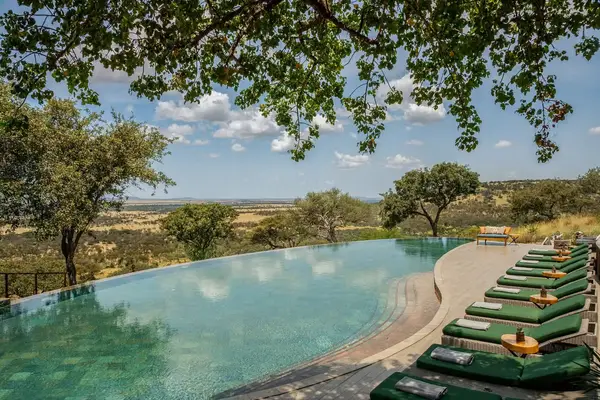
A comfortable tented camp beneath an acacia forest canopy in the Ngorongoro Highlands, with ensuite tents and access to crater safaris and Maasai-led activities.

Location
Ngorongoro Crater
Suggested stay
2 nights

Travel essentials

Plan a trip to Ngorongoro Crater

We’ll help you choose the route, the pace and where to stay.

Plan my trip

Let’s Plan Your Tanzania Story

Tell us a little about your dream trip. Our team will help turn your ideas into a safari designed around you.

Enquiring about A journey to Ngorongoro Crater

Travel date

Free, no-obligation safari proposal.