Ndutu lies on the southern edge of the Serengeti ecosystem, in the west of the Ngorongoro Conservation Area, where it meets the southern plains of Serengeti National Park. The area around Lake Ndutu and neighbouring Lake Masek, two shallow soda lakes at the head of Olduvai Gorge, mixes woodland with the open short-grass plains that stretch north into the national park.
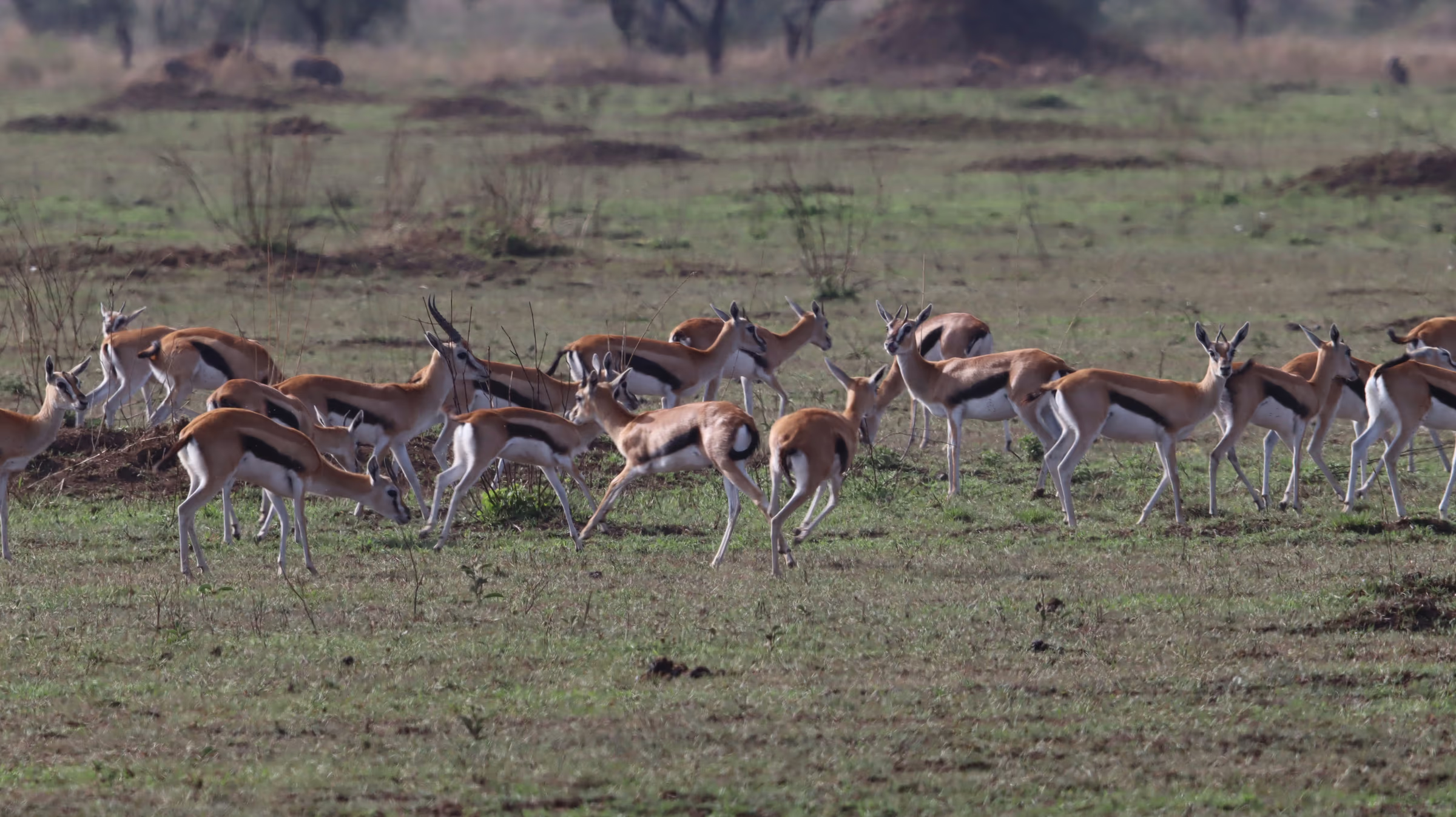
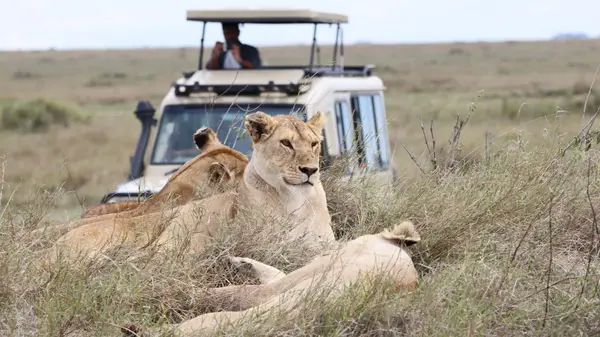
From about December to March, depending on the rains, the Great Migration grazes these southern plains. Calving usually peaks in February, when roughly half a million wildebeest calves are born within two to three weeks. The concentration of young animals draws lions, cheetahs and spotted hyenas, and the Ndutu area is known for particularly strong cheetah and lion populations.
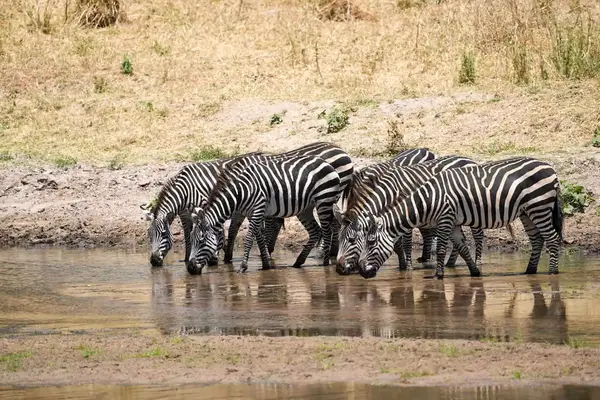
As the rains end, usually around May, the herds move north-west and the plains dry out. Resident wildlife stays around the lakes and woodland, but from about June to November the area is far quieter.
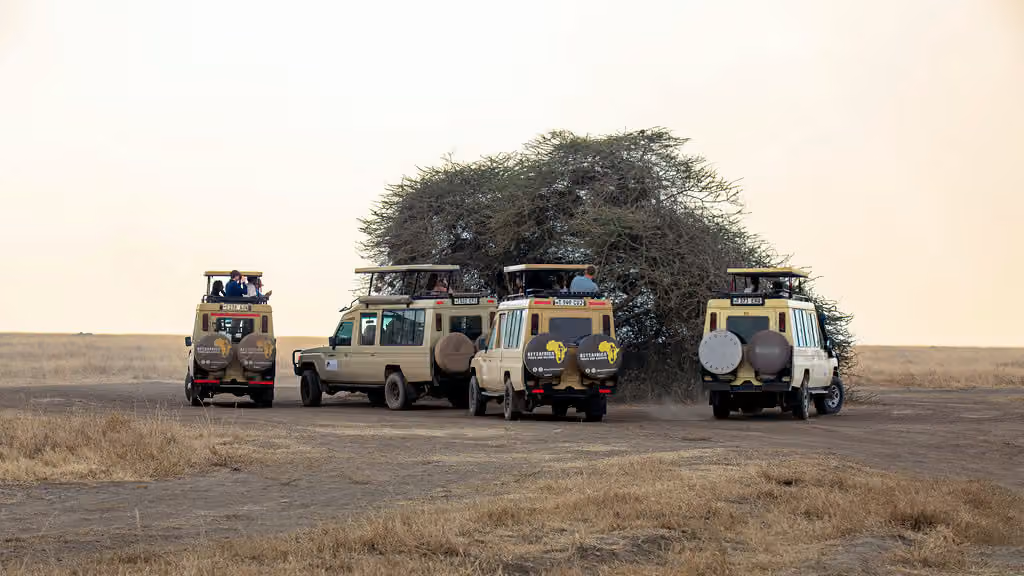
Because it lies inside the Ngorongoro Conservation Area, Ndutu combines naturally with the Ngorongoro Crater and Olduvai Gorge on the same route, and with central Serengeti further north.