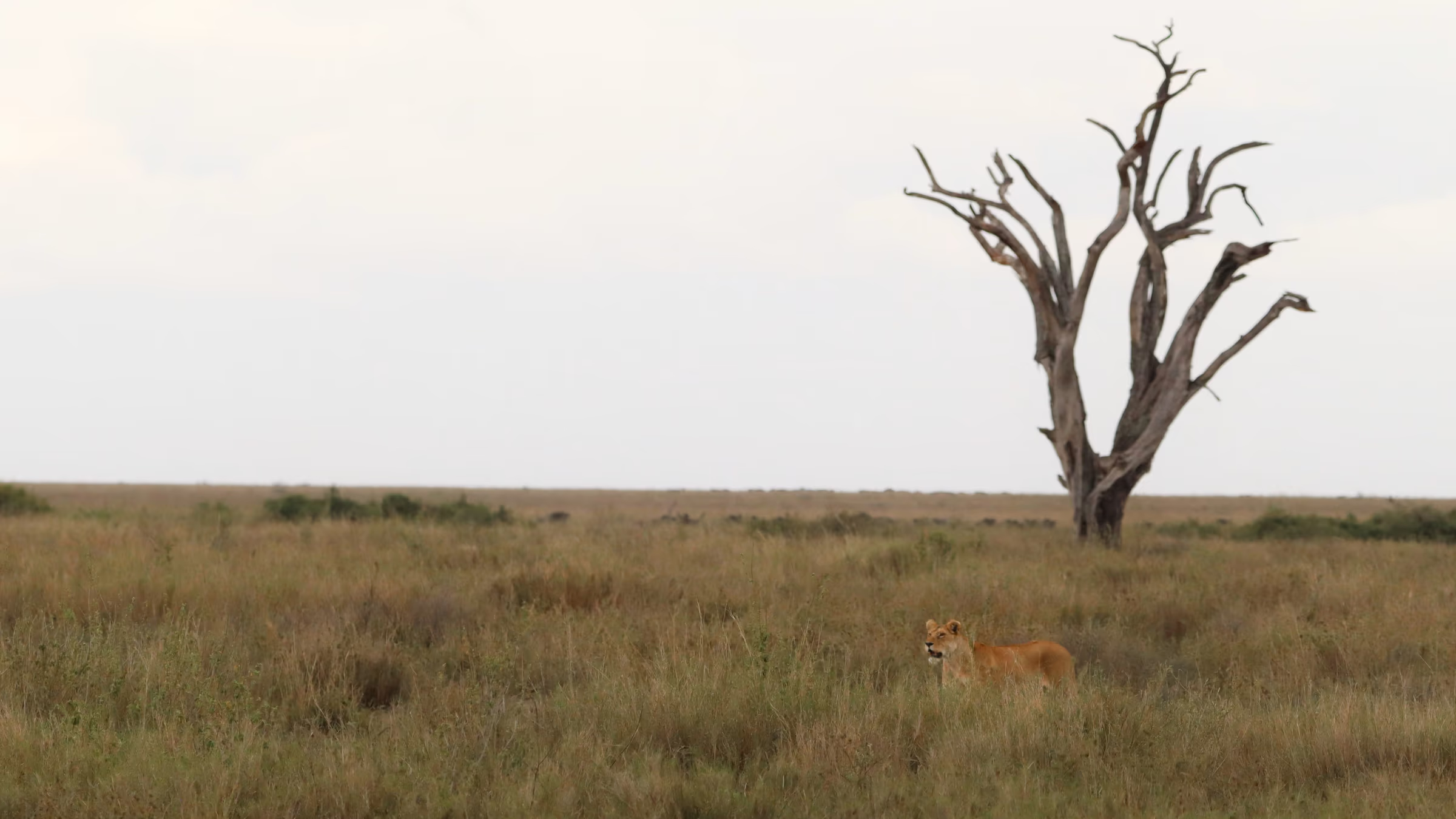
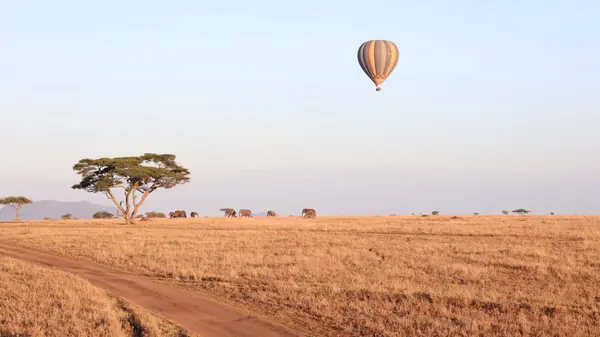
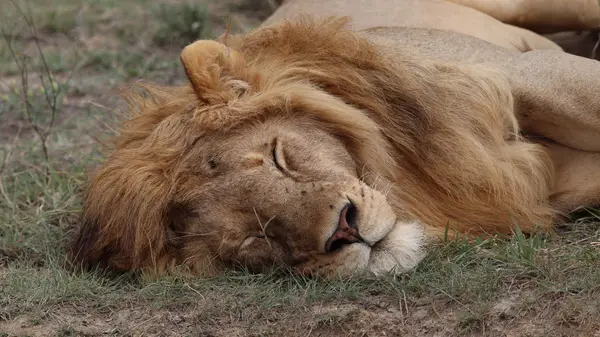
The Serengeti is Tanzania's oldest and best-known national park, covering 14,763 square kilometres of open grassland, woodland and rocky kopjes in northern Tanzania. It is home to the Great Migration of more than a million wildebeest, with huge numbers of zebras and gazelles, followed by lions, cheetahs, leopards and hyenas.
Game viewing is excellent all year, and where the migrating herds are depends on the rains. They spend roughly December to April on the short-grass plains of the south, where around half a million calves are born within two to three weeks, usually in February. As the rains end in May they move north-west towards the Grumeti River, and from July they cross the Mara River in the far north before heading on into Kenya. With the short rains in November they return south.
The central Seronera area, the park's main hub, supports resident wildlife throughout the year and is known for big cats. The Western Corridor follows the Grumeti and Mbalageti rivers, while the northern Serengeti is a landscape of open woodland and hills running up to the Mara River on the Kenyan border. The park was declared a UNESCO World Heritage Site in 1981.