
15-Day Kenya, Tanzania & Uganda Safari
Maasai Mara National Reserve, Nairobi, Lake Nakuru, Serengeti +5 more
- Price
- On request
- Duration
- 15 Days / 14 Nights
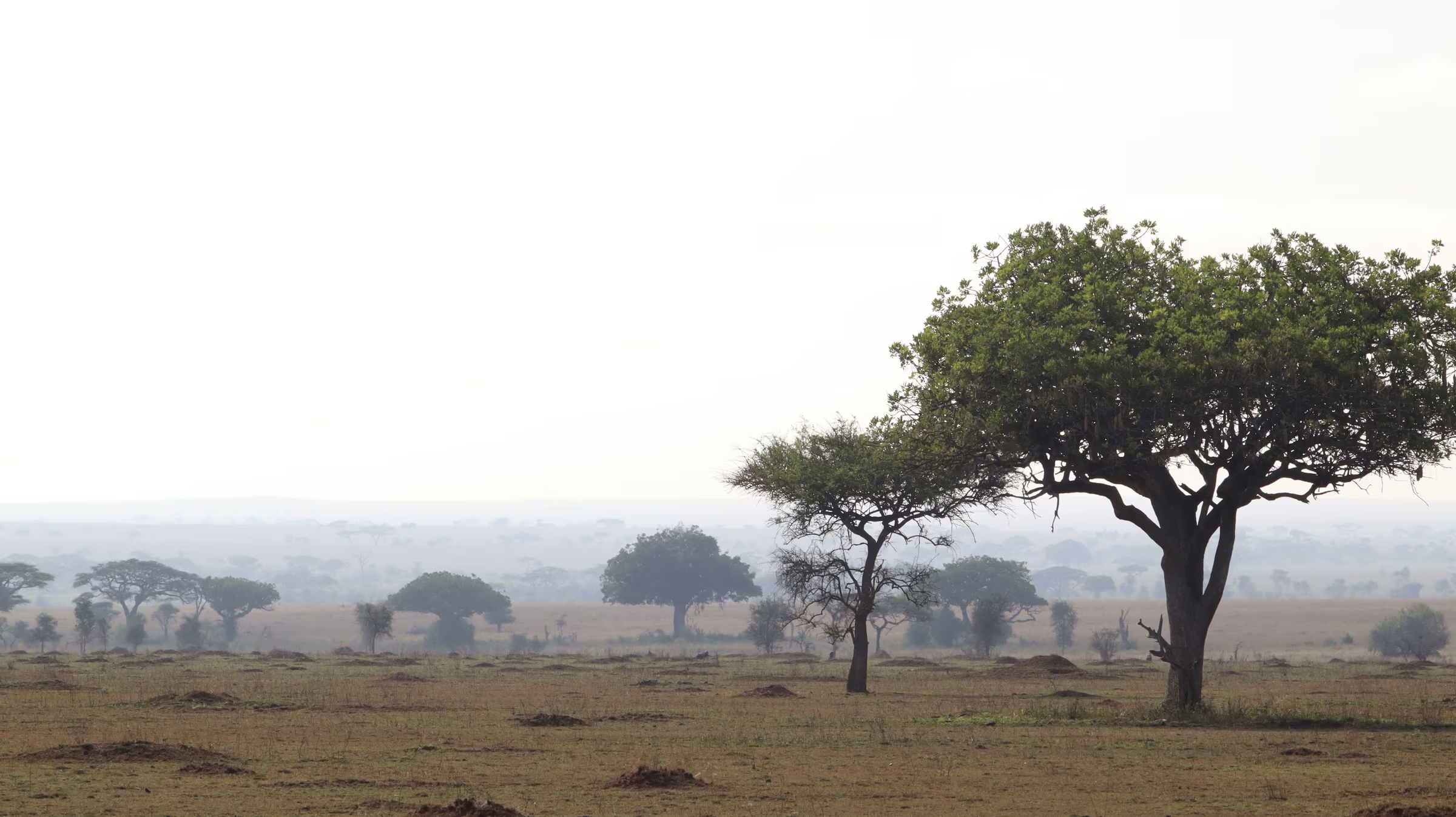
Kenya’s capital and a major safari gateway, with a national park on the city’s edge and easy connections to the Maasai Mara, Rift Valley lakes and Tanzania.
Nairobi is Kenya’s capital and one of East Africa’s main travel hubs. It grew from a depot on the Uganda Railway, which reached the site in 1899, became the capital of the East Africa Protectorate in 1907 and has been the capital of independent Kenya since 1963. At about 1,795 m above sea level, it has a mild highland climate with cool evenings.
Jomo Kenyatta International Airport, the country’s main international airport, lies about 18 km south-east of the city centre. Light aircraft to safari airstrips, including the Maasai Mara, leave from Wilson Airport, and the main roads lead to Lake Naivasha, Lake Nakuru and the Mara.
Nairobi National Park, Kenya’s first national park, lies within the city’s boundaries, about 8 km from the centre, so rhinos, lions and giraffes can be seen against the city skyline. Other popular visits include the Sheldrick Wildlife Trust’s elephant nursery and the Giraffe Centre in Lang’ata.
Nairobi also works well for travellers combining Kenya and Tanzania. Arusha is reached by road through the Namanga border, and there are short flights to Kilimanjaro and Zanzibar.
Nairobi County, south-central Kenya
About 1,795 m
About 4.4 million (2019)
1899, as a depot on the Uganda Railway; capital of independent Kenya since 1963
All year; the long rains usually fall from March to May and the short rains from October to December
Jomo Kenyatta International Airport, about 18 km south-east of the centre; Wilson Airport for safari flights
Nairobi National Park, the Sheldrick elephant nursery and the Giraffe Centre
Nairobi can be visited all year. Its highland climate is mild; the long rains usually fall from March to May and the short rains from October to December. December to March is generally the sunniest and warmest time, while evenings in June and July can drop to about 9 °C.
Because it is the starting point for many safaris, the best time to be in Nairobi usually depends on the parks you plan to visit afterwards.
By air: Jomo Kenyatta International Airport handles international and regional flights. Wilson Airport handles light aircraft flights to safari airstrips; flights to the Maasai Mara take about an hour.
By road to Kenya's parks: Lake Naivasha is about two hours away and Lake Nakuru National Park 156 km north-west. The Maasai Mara is about 5.5-6.5 hours by road via Narok, depending on the gate.
To and from Tanzania: Arusha is about 270-280 km by road through the Namanga one-stop border post, usually five to seven hours including the crossing. Flights from Nairobi take about one hour to Kilimanjaro International Airport and about one and a half hours to Zanzibar.
Nairobi takes its name from the Maasai phrase Enkare Nyirobi, meaning "place of cool waters", after a cold stream that once ran through the area.
Yes. Nairobi National Park, gazetted in 1946 and covering 117 km², lies about 8 km from the city centre. It has four of the Big Five (all except elephants), including black rhinos and lions, and more than 400 bird species.
The Sheldrick Wildlife Trust's elephant nursery, inside Nairobi National Park (Magadi Gate, Magadi Road), opens to the public for one hour a day, from 11:00 to 12:00 (closed on 25 December). Visits must be booked in advance, and Kenya Wildlife Service park fees apply.
About five to seven hours by road, including the Namanga border crossing, or about an hour by air to Kilimanjaro International Airport.
The CDC reports only rare malaria cases in the highly urbanised centre of Nairobi and does not recommend antimalarials there. Most safari areas below 2,500 m do carry a risk, so take advice for your full itinerary.
Maasai Mara National Reserve, Nairobi, Lake Nakuru, Serengeti +5 more
Lake Nakuru, Maasai Mara National Reserve & Nairobi
Lake Nakuru, Maasai Mara National Reserve, Serengeti, Ngorongoro Crater +4 more
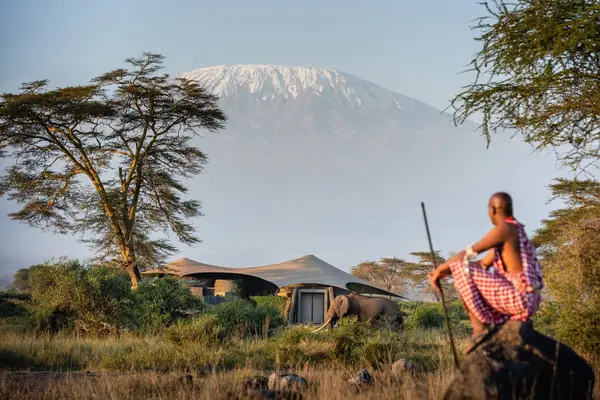
Maasai Mara National Reserve, Serengeti, Ngorongoro Crater, Arusha +2 more
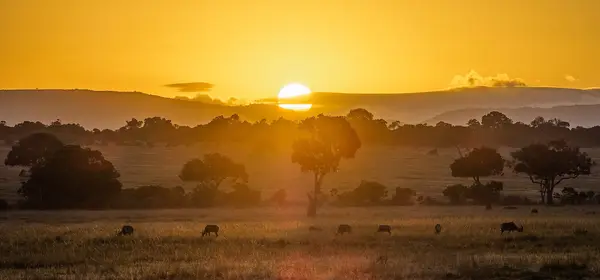
Maasai Mara National Reserve, Northern Serengeti (Kogatende), Ngorongoro Crater, Arusha +2 more
Serengeti, Maasai Mara National Reserve, Ngorongoro Crater, Amboseli +2 more

Hotel · Mombasa Road / Southern Bypass, Nairobi
A contemporary Nairobi hotel on Mombasa Road, with comfortable air-conditioned rooms, gardens and an outdoor pool—well placed for a restful night before or after safari.
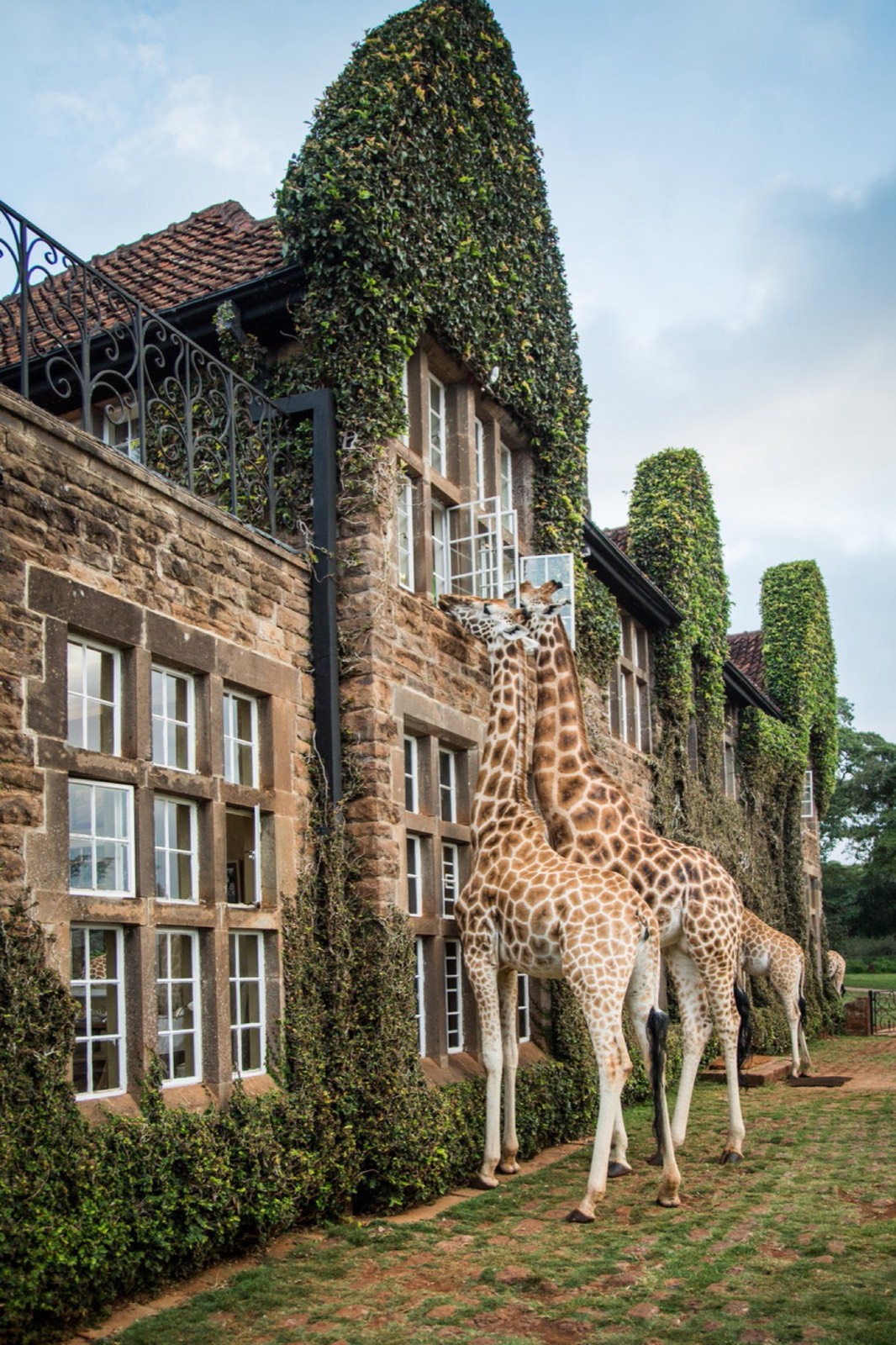
Boutique hotel · Langata, Nairobi
An intimate heritage hotel in Nairobi’s Langata suburb, known for its resident giraffes and characterful Manor House and Garden Manor rooms.
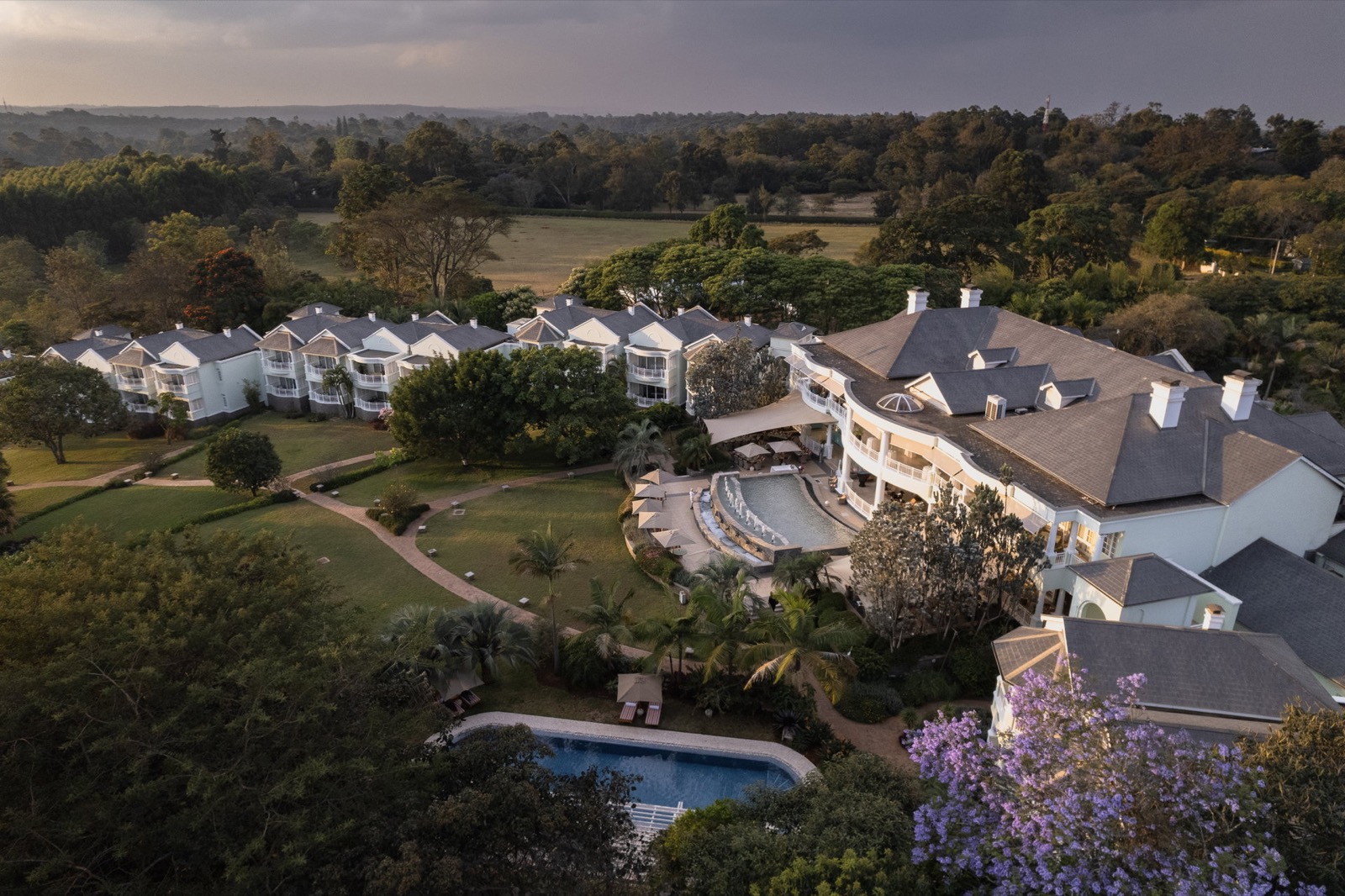
Boutique hotel · Karen, Nairobi
An elegant all-suite hotel in leafy Karen, with gardens, Ngong Hills views and space to relax before or after a Kenya safari.
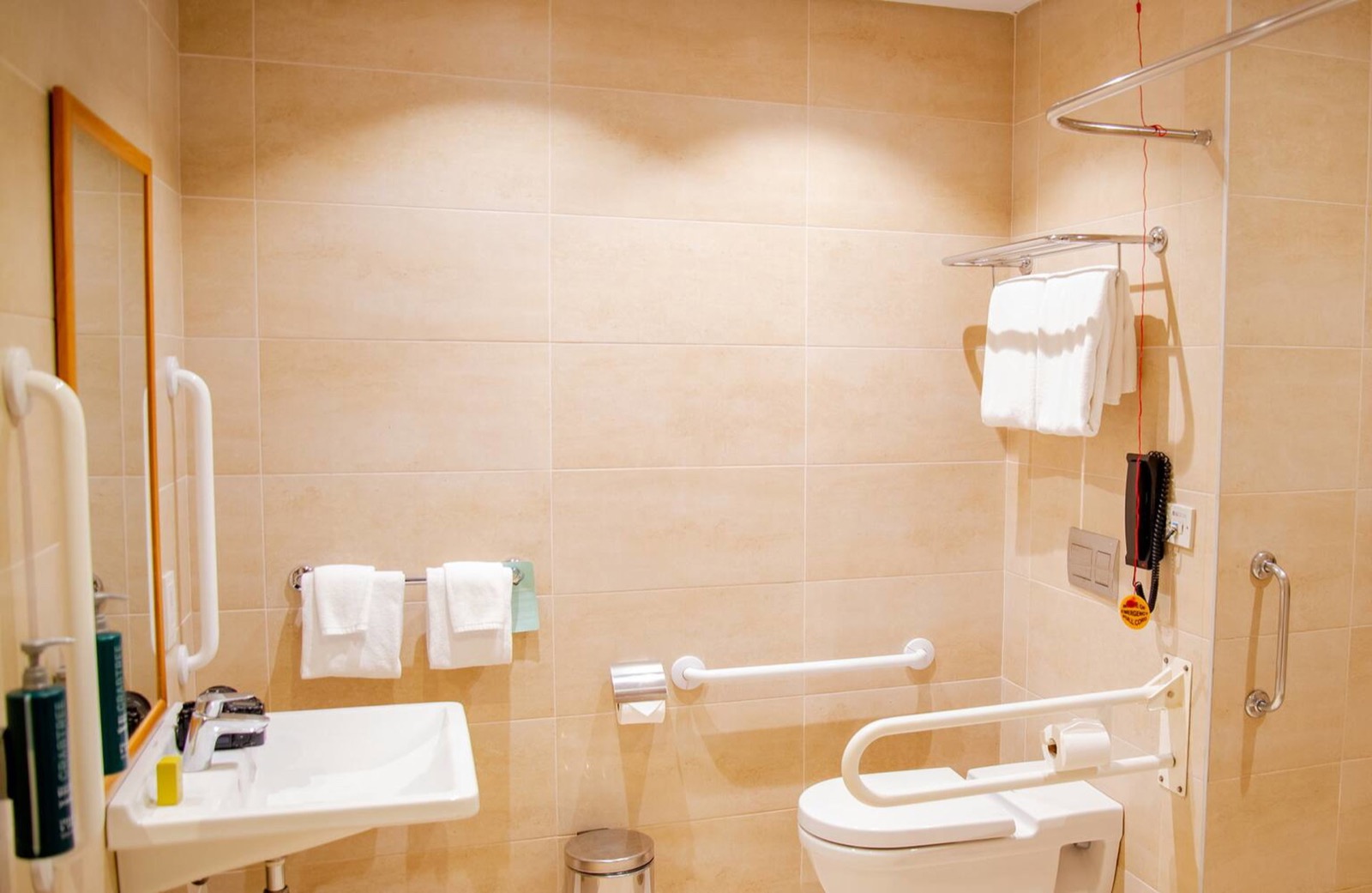
Hotel · Mombasa Road / airport corridor, Nairobi
A contemporary airport-area hotel on Mombasa Road, offering a convenient overnight stop between international flights and safari departures.
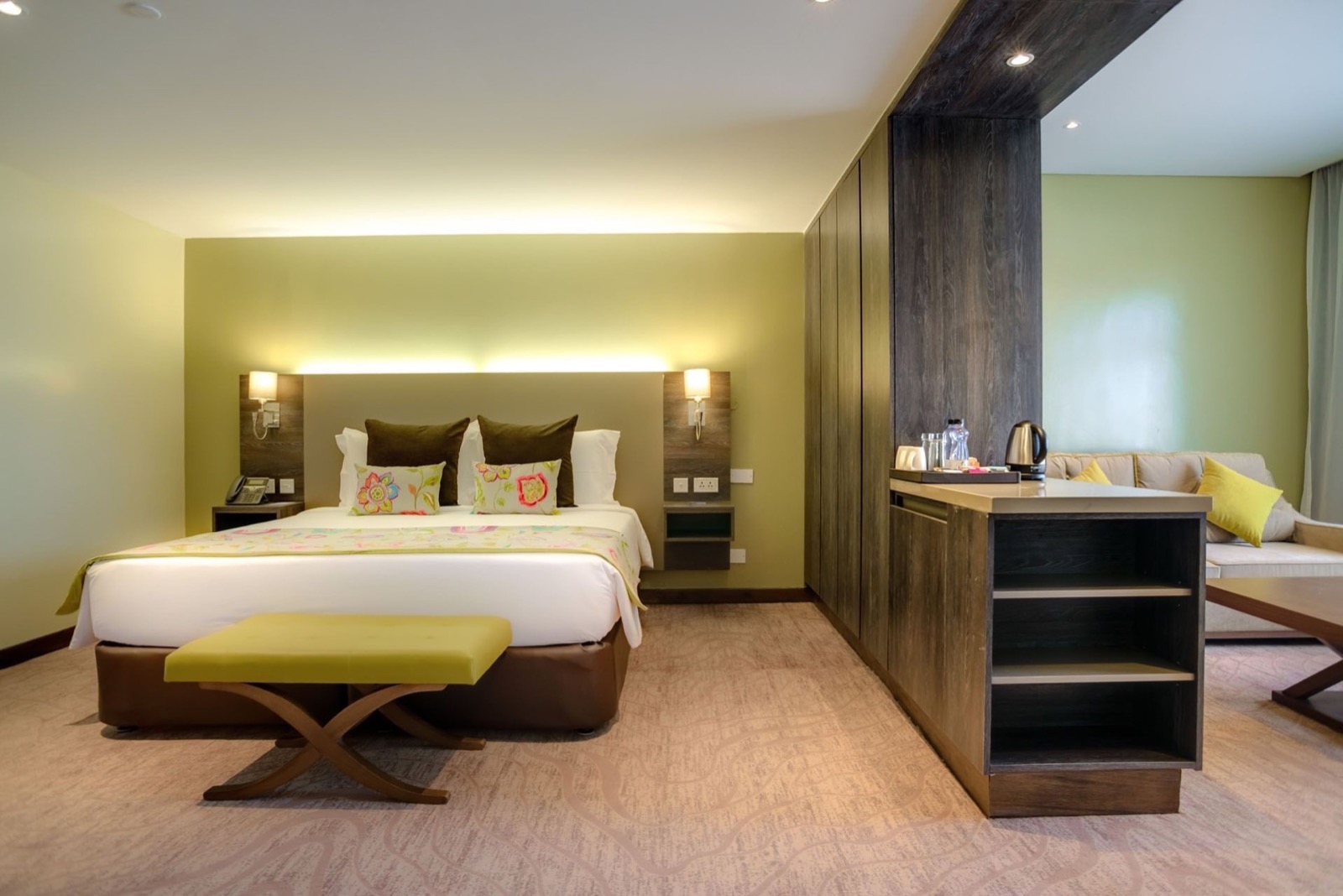
Hotel · Langata Road / Carnivore grounds, Nairobi
A comfortable Nairobi hotel in the Carnivore grounds, with landscaped gardens and a heated pool close to Wilson Airport.
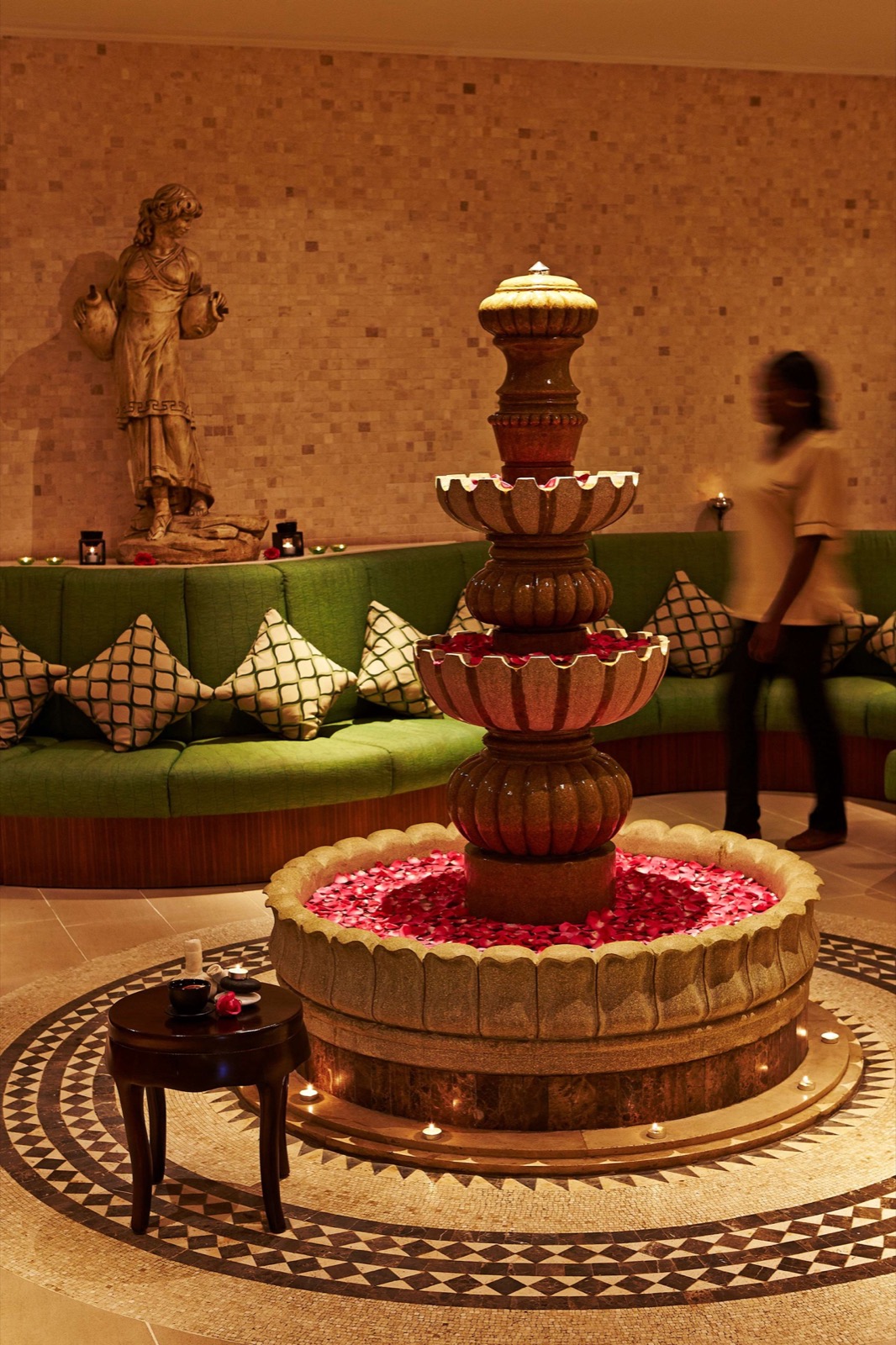
Hotel · Chiromo Road, Nairobi
A luxury Nairobi city hotel with elegant rooms and suites, several dining venues, a heated outdoor pool and extensive wellness facilities.
Nairobi is a large city and needs sensible precautions. The UK FCDO reports frequent incidents of violent crime in Kenya, including mugging, armed robbery and carjacking, particularly in the large cities, and names Eastleigh, the Central Business District, Mathare, Kibera and other informal settlements as higher-risk areas of Nairobi.
In Nairobi National Park, stay in your vehicle except in designated areas, keep at least 20 metres from wildlife and follow Kenya Wildlife Service rules. Protests and demonstrations are common in Nairobi and can turn violent, so stay away from crowds and keep an eye on local news.
Yellow fever: Kenya requires a yellow fever vaccination certificate from travellers aged one year and over arriving from a country with a risk of yellow fever transmission. The CDC does not generally recommend the vaccine for travel limited to the city of Nairobi, but does recommend it for most of the rest of Kenya, including the Maasai Mara and the Rift Valley lakes.
Malaria: the CDC reports only rare cases in the highly urbanised centre of Nairobi and does not recommend antimalarials there. Most safari areas below 2,500 m carry a risk, so plan for your full itinerary.
Nairobi sits at about 1,795 m, so the sun is strong even when it feels cool. Speak to a travel health clinic 6-8 weeks before travel.
Take out comprehensive travel insurance that includes medical treatment and emergency evacuation. If Nairobi is the start of a multi-country safari, make sure the policy covers every country and activity on your itinerary.
Keep your insurer’s 24-hour assistance number and your policy details with you.
We’ll help you choose the route, the pace and where to stay.
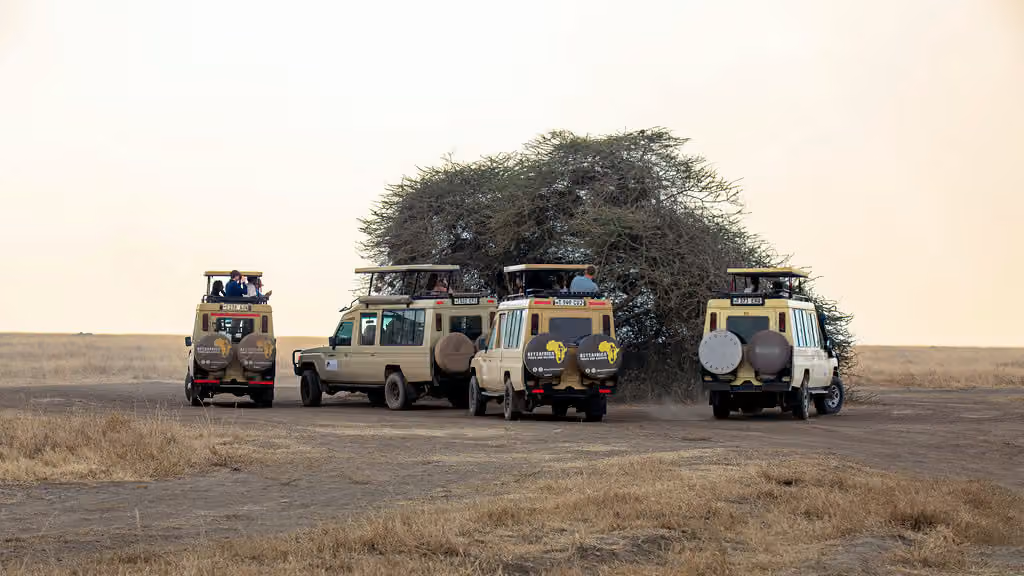
Tell us a little about your dream trip. Our team will help turn your ideas into a safari designed around you.