
15-Day Kenya, Tanzania & Uganda Safari
Maasai Mara National Reserve, Nairobi, Lake Nakuru, Serengeti +5 more
- Price
- On request
- Duration
- 15 Days / 14 Nights
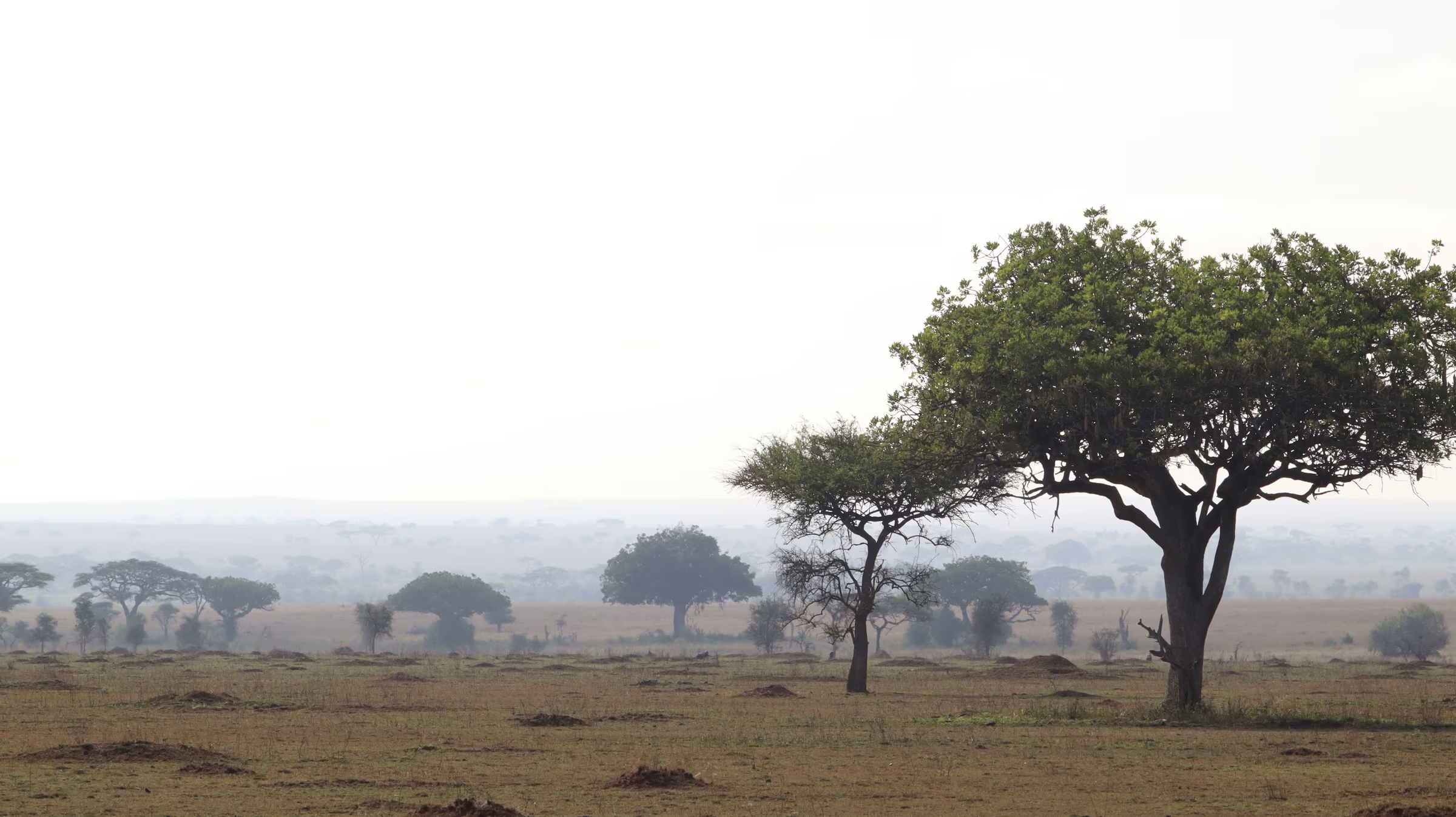
Discover Maasai Mara, one of Kenya’s most famous wildlife destinations, known for abundant wildlife, big cats, open savannahs, and the annual Great Migration.
The Maasai Mara National Reserve covers about 1,510 km² of open grassland, riverine forest and acacia country in Narok County, south-western Kenya. It forms the northern part of the Serengeti–Mara ecosystem, and its southern boundary is the border with Tanzania's Serengeti National Park. The Mara River and its tributaries, the Talek and the Sand, run through the reserve.
The Mara is best known for the Great Migration. Large herds of wildebeest and zebra usually move north from the Serengeti into the Mara around July and head south again around October, crossing the Mara River on the way. The exact timing depends on the rains and varies from year to year.
Wildlife is plentiful all year. Lions, leopards, cheetahs, elephants, buffalo, giraffes, hippos and crocodiles are all found here, and the open plains make game viewing and photography relatively easy.
The reserve is managed in two parts: the Mara Triangle, west of the Mara River, by the Mara Conservancy on behalf of the county, and the larger Narok sector by the County Government of Narok. Along its northern and eastern boundaries lie community conservancies, where Maasai landowners lease their land for wildlife tourism and some activities not allowed in the reserve, such as night drives and walking safaris, may be possible.
Narok County, south-western Kenya, on the border with Tanzania's Serengeti National Park
About 1,510 km²
About 1,500–2,180 m
1961 as a wildlife sanctuary, soon extended as a game reserve; national reserve status from 1974
July to October for the migration; good game viewing all year
Around five to six hours by road from Nairobi, or about 45 minutes to an hour by light aircraft from Wilson Airport
The Great Migration and Mara River crossings, big cats, open savannah
The Mara is a year-round destination. The driest months are usually June to October, which is also when the migration herds are normally in the reserve, with August and September often the busiest period. The long rains generally fall from March to May, when some tracks become muddy; the short rains come in November and December. January and February are often drier again, with green grass and fewer visitors.
From Nairobi, allow roughly five to six hours by road, varying with the gate, traffic and road conditions. Light aircraft from Wilson Airport serve several Mara airstrips; choose the one recommended by your camp and confirm routing and baggage limits. To combine the Mara with Tanzania, arrange a recognised international crossing. Fly and road connections can operate through Migori and Tarime, with a transfer across Isebania/Sirari for immigration; other itineraries route via Nairobi. Confirm availability and total travel time for your dates, and check both countries’ visa and health entry requirements.
The BBC series Big Cat Diary was filmed in the Maasai Mara, following lions, leopards and cheetahs around the Musiara Marsh, Leopard Gorge, Fig Tree Ridge and the Mara River.
The herds usually arrive from the Serengeti around July and leave around October. River crossings happen within that period but cannot be predicted to the day, because the animals follow the rain and fresh grass.
The national reserve is public land managed by the county. The conservancies next to it are community land leased from Maasai landowners for wildlife tourism. Some conservancies allow activities that are not permitted inside the reserve, such as night drives, walking safaris and off-road driving.
Yes. Road itineraries use an authorised international crossing such as Isebania/Sirari. Flight connections may link Mara airstrips with the Serengeti via Migori and Tarime, including a road transfer for border formalities, or route via Nairobi. Confirm services for your dates and allow time for immigration. Check visa and yellow fever requirements for both countries.
UK and US travel health guidance recommends it for most of Kenya, including the Mara, and a certificate is needed if you then travel on to Tanzania. Ask a travel health clinic 6–8 weeks before you go.
Maasai Mara National Reserve, Nairobi, Lake Nakuru, Serengeti +5 more
Lake Nakuru, Maasai Mara National Reserve & Nairobi
Lake Nakuru, Maasai Mara National Reserve, Serengeti, Ngorongoro Crater +4 more
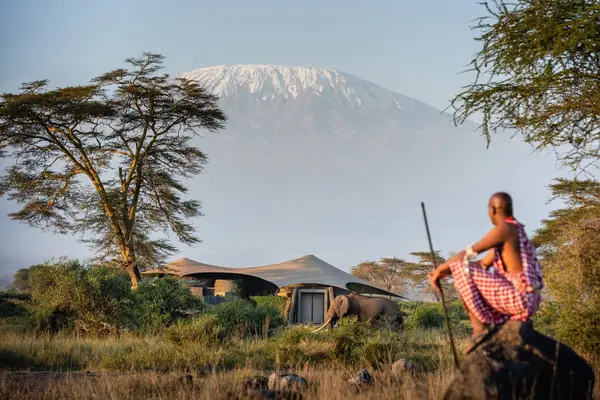
Maasai Mara National Reserve, Serengeti, Ngorongoro Crater, Arusha +2 more
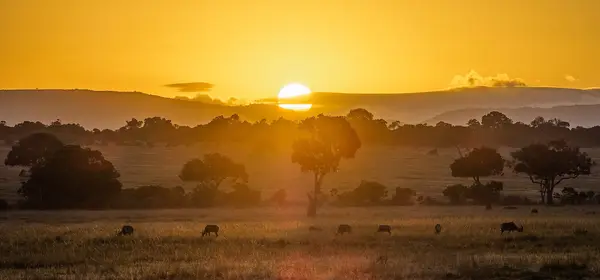
Maasai Mara National Reserve, Northern Serengeti (Kogatende), Ngorongoro Crater, Arusha +2 more
Serengeti, Maasai Mara National Reserve, Ngorongoro Crater, Amboseli +2 more
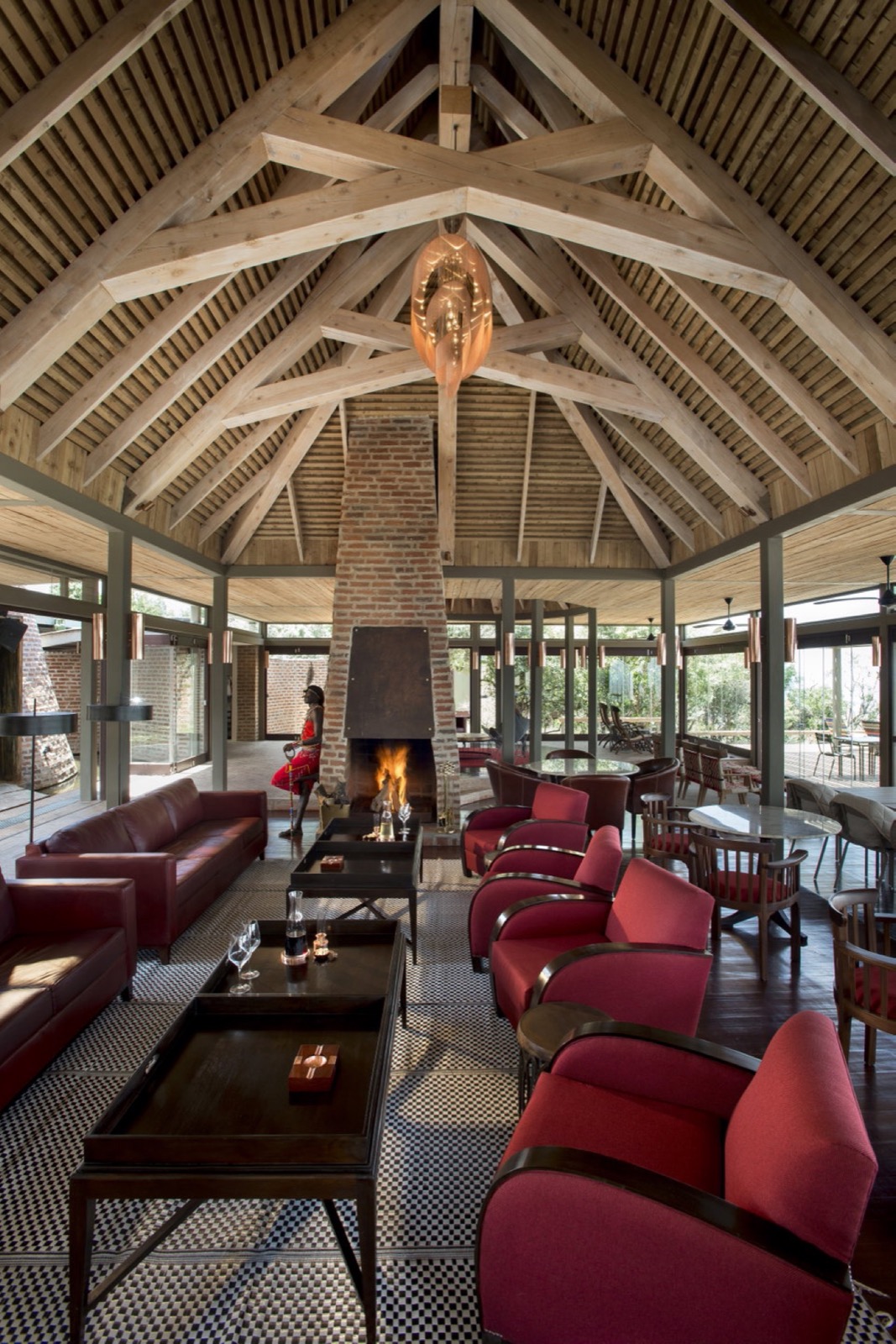
Tented camp · Oloololo Escarpment, greater Maasai Mara
A high-end tented lodge above the Maasai Mara, with expansive glass-fronted suites, private decks and sweeping escarpment views.
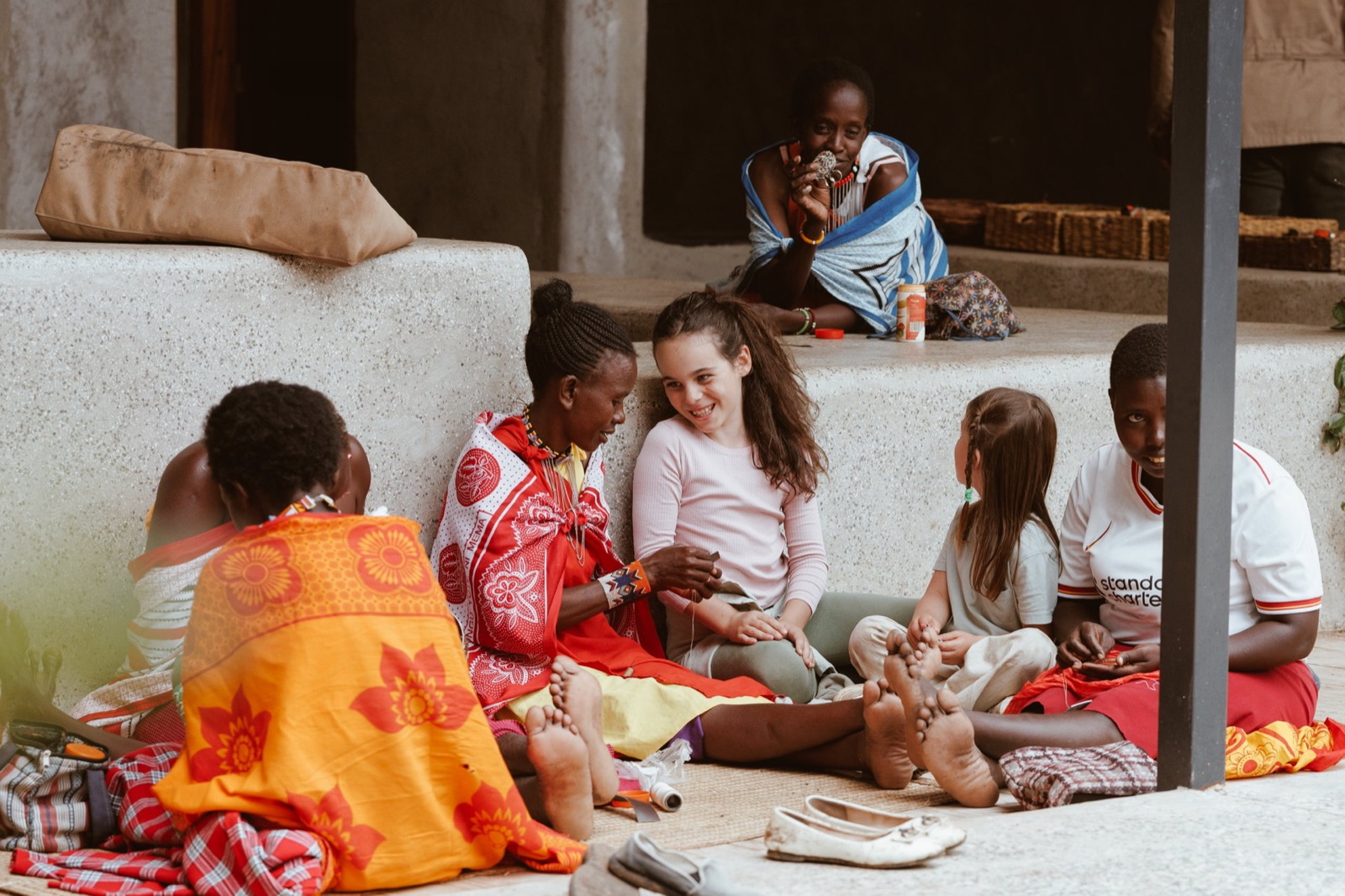
Tented camp · Talek River, Maasai Mara National Reserve boundary
A riverside tented camp beside the Talek River, with private decks, community connections and access to the Maasai Mara safari landscape.
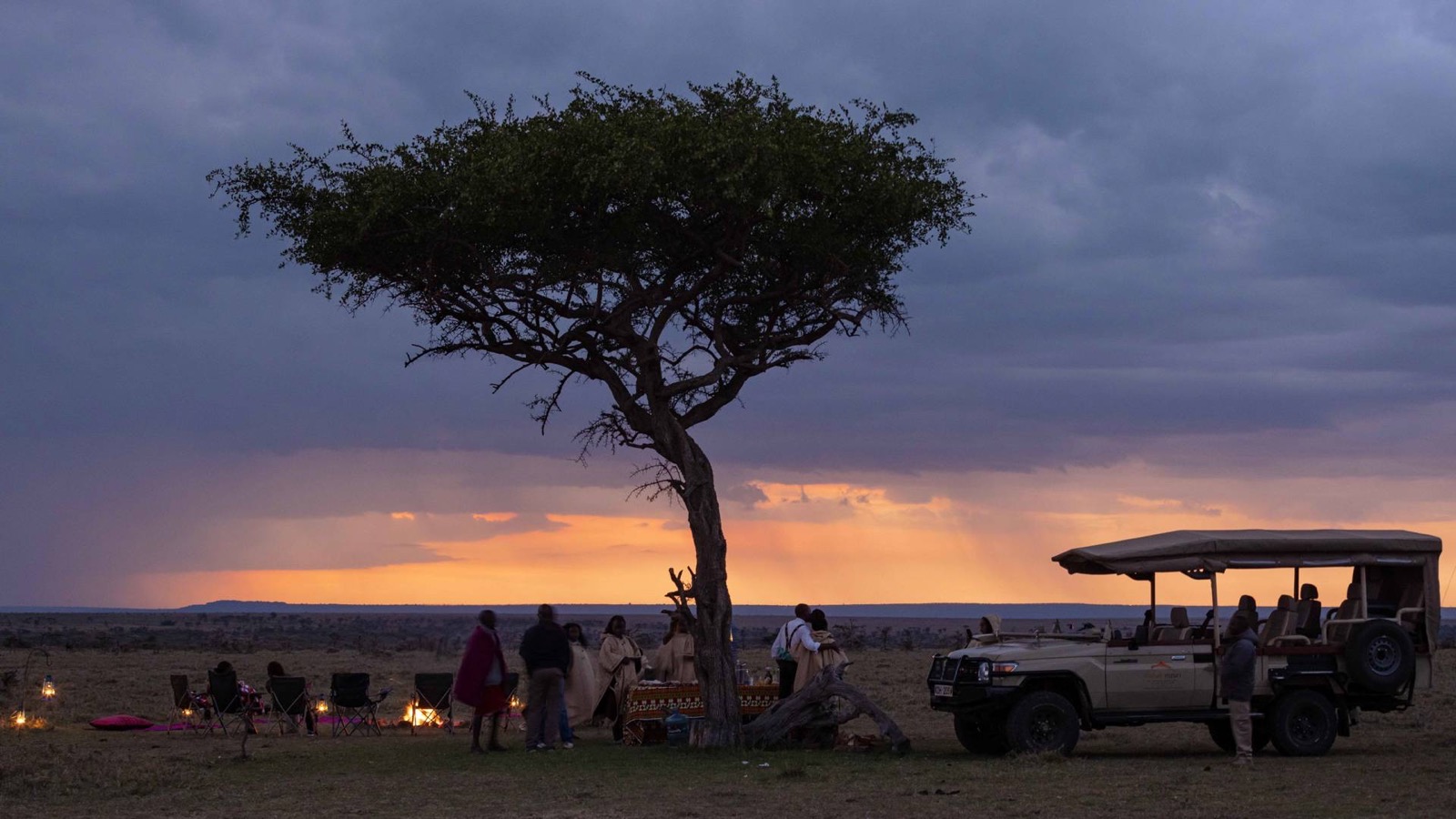
Tented camp · Olare Motorogi Conservancy, greater Maasai Mara
An intimate luxury camp in Olare Motorogi Conservancy, with twelve elevated tents, wide plains views and a heated infinity pool.
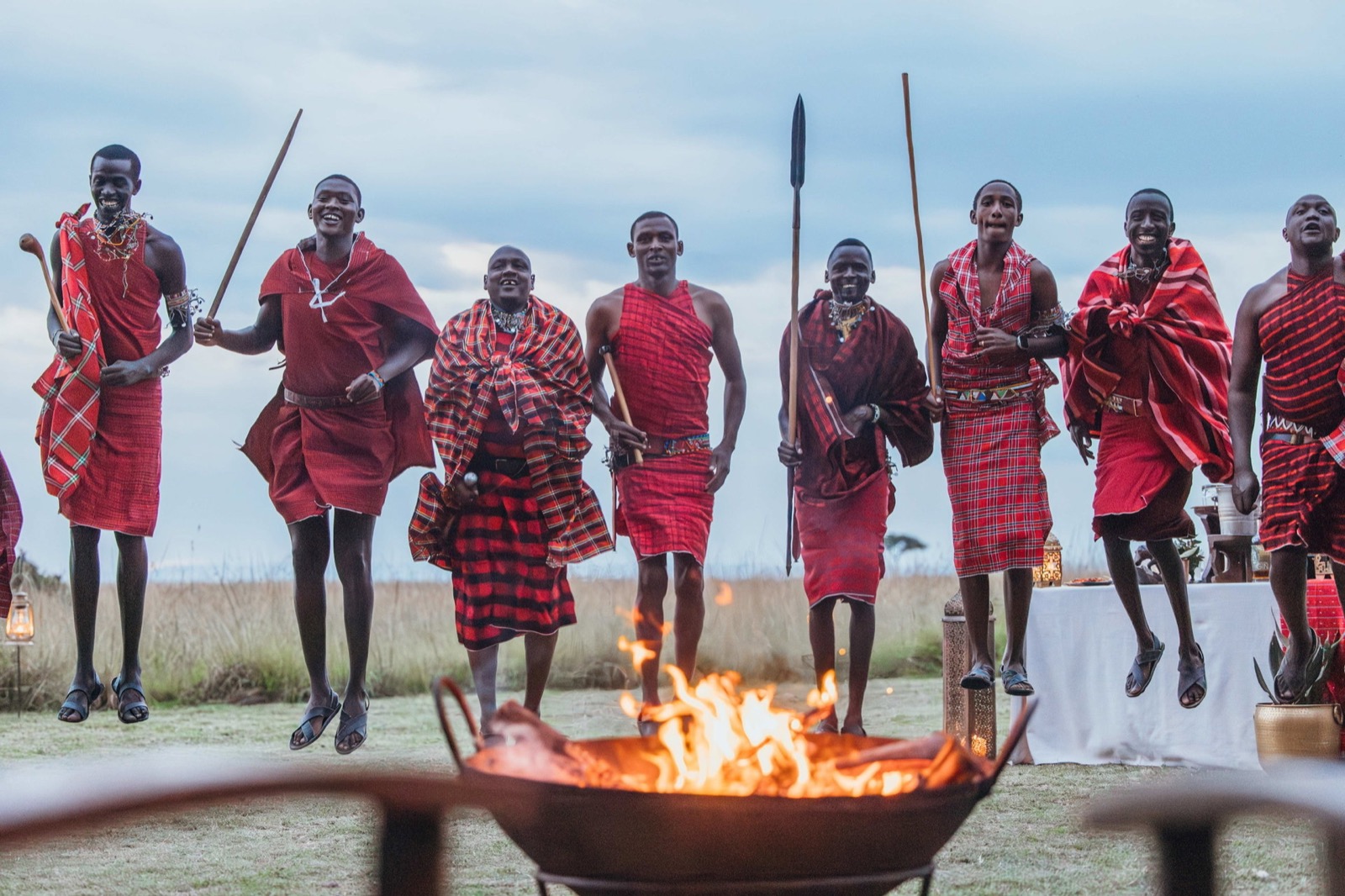
Tented camp · Ntiakitiak River, Olare Motorogi Conservancy
An intimate luxury tented camp in Olare Motorogi Conservancy, with riverine woodland, private verandas and a strong wildlife-photography focus.
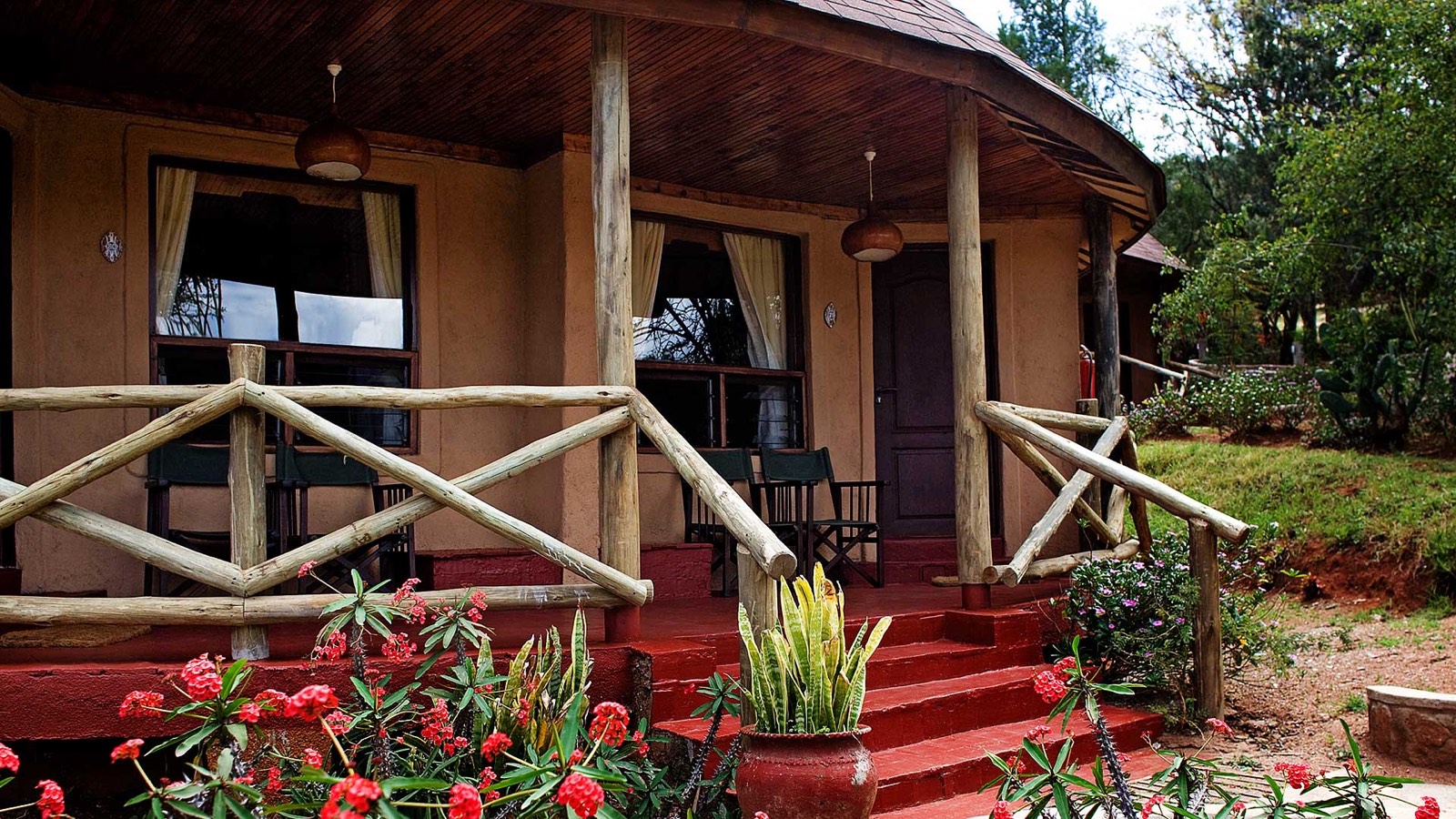
Safari lodge · Oloolaimutia Hills, Maasai Mara
A hillside safari lodge with mature gardens, spacious cottage-style rooms and a pool overlooking the Mara landscape.
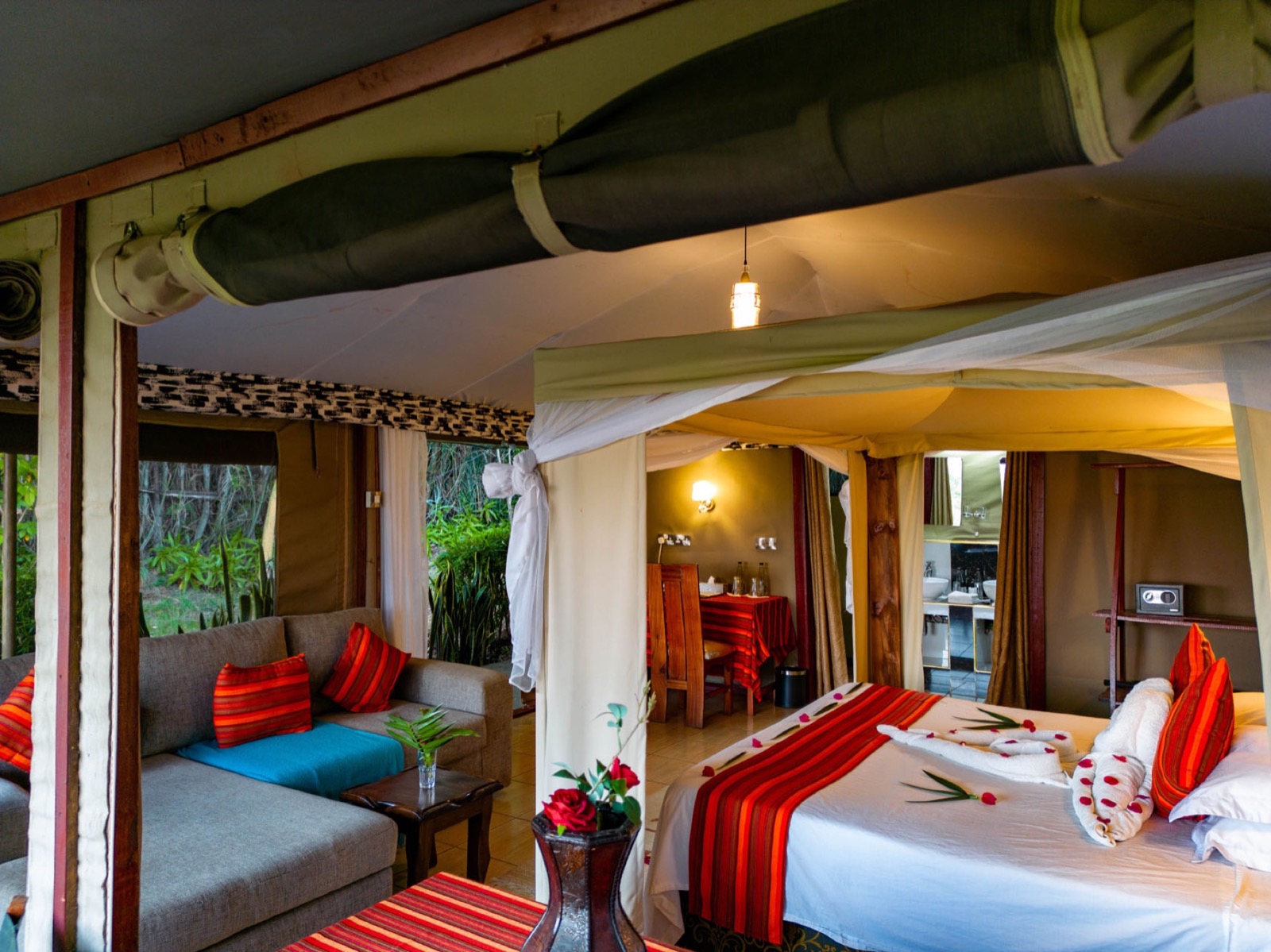
Tented camp · Oldonyo Oloip Ridge / Talek area, Maasai Mara
A comfortable Mara tented camp beneath Oldonyo Oloip Ridge, with plains-facing spaces, a pool and a relaxed social atmosphere.
The Maasai Mara is a well-established safari destination and most visits pass without incident. Wildlife is the main hazard: stay in the vehicle unless your guide says otherwise, keep a respectful distance from animals, and do not walk around an unfenced camp after dark without an escort. Do not swim in rivers or lakes, which is illegal in Kenya's national parks and dangerous because of hippos and crocodiles. Roads to and inside the reserve are rough and can turn to mud after rain, so allow extra time and avoid driving at night.
Kenya requires a yellow fever vaccination certificate from travellers over one year of age arriving from countries with a risk of yellow fever transmission. UK (NaTHNaC) and US (CDC) guidance also recommends yellow fever vaccination for travellers aged nine months and over visiting most of Kenya, including the Maasai Mara; the exceptions are the North Eastern region, several coastal counties and the cities of Nairobi and Mombasa. Because Kenya is itself a yellow fever risk country, Tanzania asks for a certificate from travellers arriving from Kenya, so carry it if your trip continues across the border.
There is a high risk of malaria in Kenya below 2,500 m, which includes the whole of the Maasai Mara. Antimalarial tablets are usually advised, together with insect repellent, long sleeves in the evening and sleeping under a mosquito net where one is provided.
Speak to a travel health clinic 6–8 weeks before travel about vaccinations, antimalarials and any personal health needs.
Use a licensed, reputable operator and do not buy safaris from street touts. Plan road transfers to arrive in daylight, keep vehicle windows closed and doors locked in towns, and use the safe at your camp for passports and spare cash. In Nairobi, where most trips start, avoid walking alone in isolated areas, even in daytime, and keep phones and cameras out of sight at transport hubs. Official travel advice notes a general threat of terrorism in Kenya, so check the latest UK FCDO or your own government's advice before you go.
Take out comprehensive travel insurance that covers medical treatment and emergency evacuation by air from remote areas, because serious cases are usually flown to Nairobi. Check that the policy covers activities you plan, such as hot-air ballooning or walking safaris, and keep the insurer's 24-hour assistance number with you.
Emergency services (Kenya): 999 for police, ambulance and fire.
Nearest major hospital: Narok County Referral Hospital in Narok town, the main public hospital in the county. For serious illness or injury, patients are usually flown to Nairobi, which has hospitals such as the Aga Khan University Hospital.
Air evacuation: AMREF Flying Doctors runs air ambulances from Wilson Airport, Nairobi. Your camp, guide or insurer can arrange an evacuation.
We’ll help you choose the route, the pace and where to stay.
Tell us a little about your dream trip. Our team will help turn your ideas into a safari designed around you.