15-Day Kenya, Tanzania & Uganda Safari
Maasai Mara National Reserve, Nairobi, Lake Nakuru, Serengeti +5 more
- Price
- On request
- Duration
- 15 Days / 14 Nights
A compact Rift Valley park around a semi-alkaline lake, known for black and white rhinos, Rothschild’s giraffes and rich birdlife.
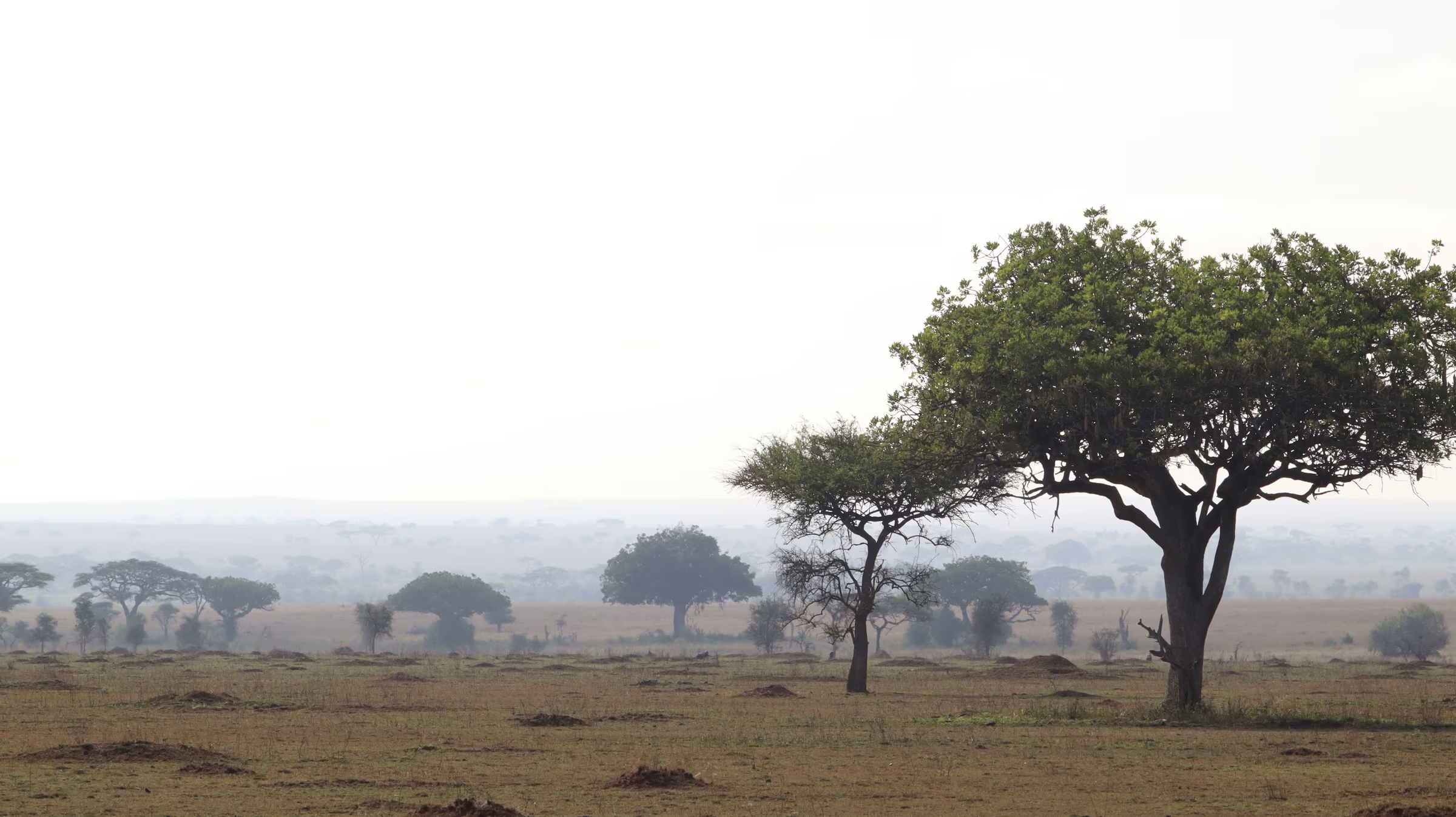
Lake Nakuru National Park is a scenic wildlife destination in Kenya’s Great Rift Valley. The park combines the lake, open grasslands, acacia woodland, and rocky landscapes to create a diverse environment for wildlife and birdlife.
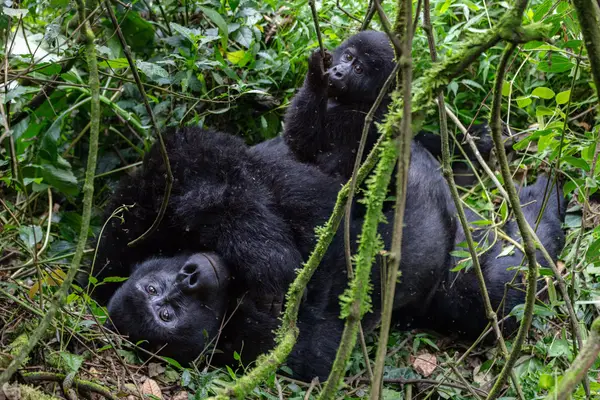
Lake Nakuru is well known for its rhino population and offers opportunities to see both black and white rhinos. Visitors may also encounter lions, leopards, buffalo, giraffes, zebras, and other wildlife.
The lake and surrounding habitats also attract a variety of bird species, making the park an interesting destination for birdwatchers and nature lovers.
Lake Nakuru works particularly well as part of a Kenya safari that includes Maasai Mara, Lake Naivasha, or Amboseli.
Nakuru County, 156 km north-west of Nairobi; the Main Gate is 4 km from Nakuru city
188 km²
The lake lies at about 1,754 m
Bird sanctuary in 1961, national park in 1968, Kenya's first government-managed rhino sanctuary in 1987
All year; tracks can be muddy in the long rains (March to May) and the short rains (October to December)
By road from Nairobi on the A104 (156 km), or by air to Naishi airstrip in the park
Black and white rhinos, Rothschild's giraffe, lions and about 450 bird species
Lake Nakuru is good for game viewing all year, and at 188 km² the park is compact enough to cover its main areas in a day. In this part of Kenya the long rains usually fall from March to May and the short rains from October to December, when some tracks can be muddy.
Flamingo numbers depend on water levels and food. They have fallen as the lake has risen since about 2013, with many birds moving to other Rift Valley lakes, so treat large flocks as a bonus rather than a certainty. Park gates open at 6:00 and close at 18:00 unless you are staying inside the park.
From Nairobi: 156 km north-west on the A104 Nairobi–Nakuru highway. The park can be entered through the Main Gate, 4 km from Nakuru city, or through Lanet and Nderit gates.
By air: Naishi airstrip, next to Naishi Guest House in the park, is serviceable.
From Lake Naivasha and the Maasai Mara: Lake Nakuru lies about 60 km north of Lake Naivasha, and the two are often combined, frequently with the Maasai Mara.
Rising water has flooded parts of the park in recent years and submerged the Main Gate in 2024, so check locally which gates and tracks are open.
In 1987 Lake Nakuru became Kenya's first government-managed rhino sanctuary, a year after an electric perimeter fence was built around the park. It now protects both black and white rhinos.
Possibly, but not reliably. Flamingo numbers change with water and food conditions and have fallen as the lake has risen, with many birds moving to nearby lakes such as Bogoria and Elementaita.
Only in designated areas such as viewpoints and picnic sites. Elsewhere, park rules require you to stay in your vehicle with the doors closed.
It is possible, but at 156 km each way it makes a long day. Staying a night nearby, or combining it with Lake Naivasha, is more relaxed.
Gates open at 6:00 and close at 18:00, unless you are staying overnight inside the park.
Maasai Mara National Reserve, Nairobi, Lake Nakuru, Serengeti +5 more
Lake Nakuru, Maasai Mara National Reserve & Nairobi
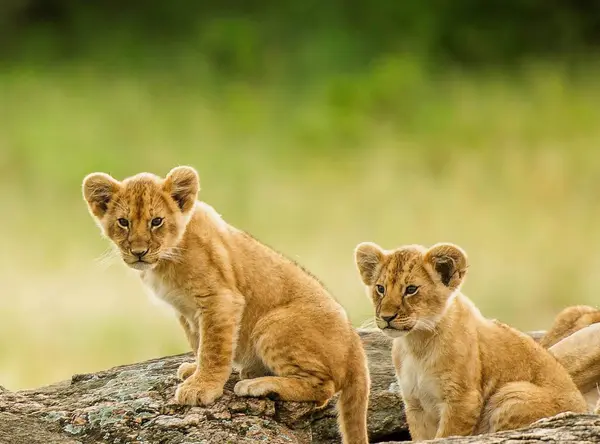
Lake Nakuru, Maasai Mara National Reserve, Serengeti, Ngorongoro Crater +4 more
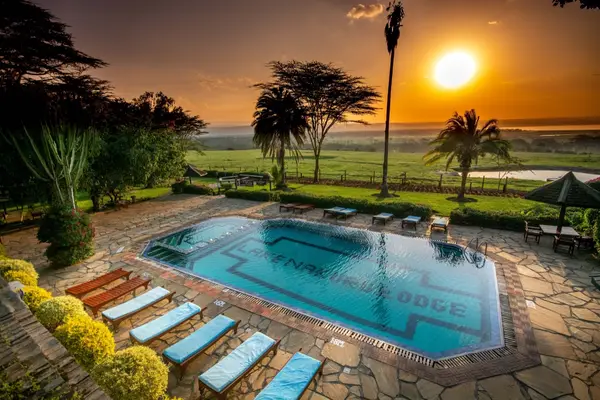
Safari lodge · Lake Nakuru National Park
An established safari lodge inside Lake Nakuru National Park, with comfortable rooms, wildlife views and leisure facilities between game drives.
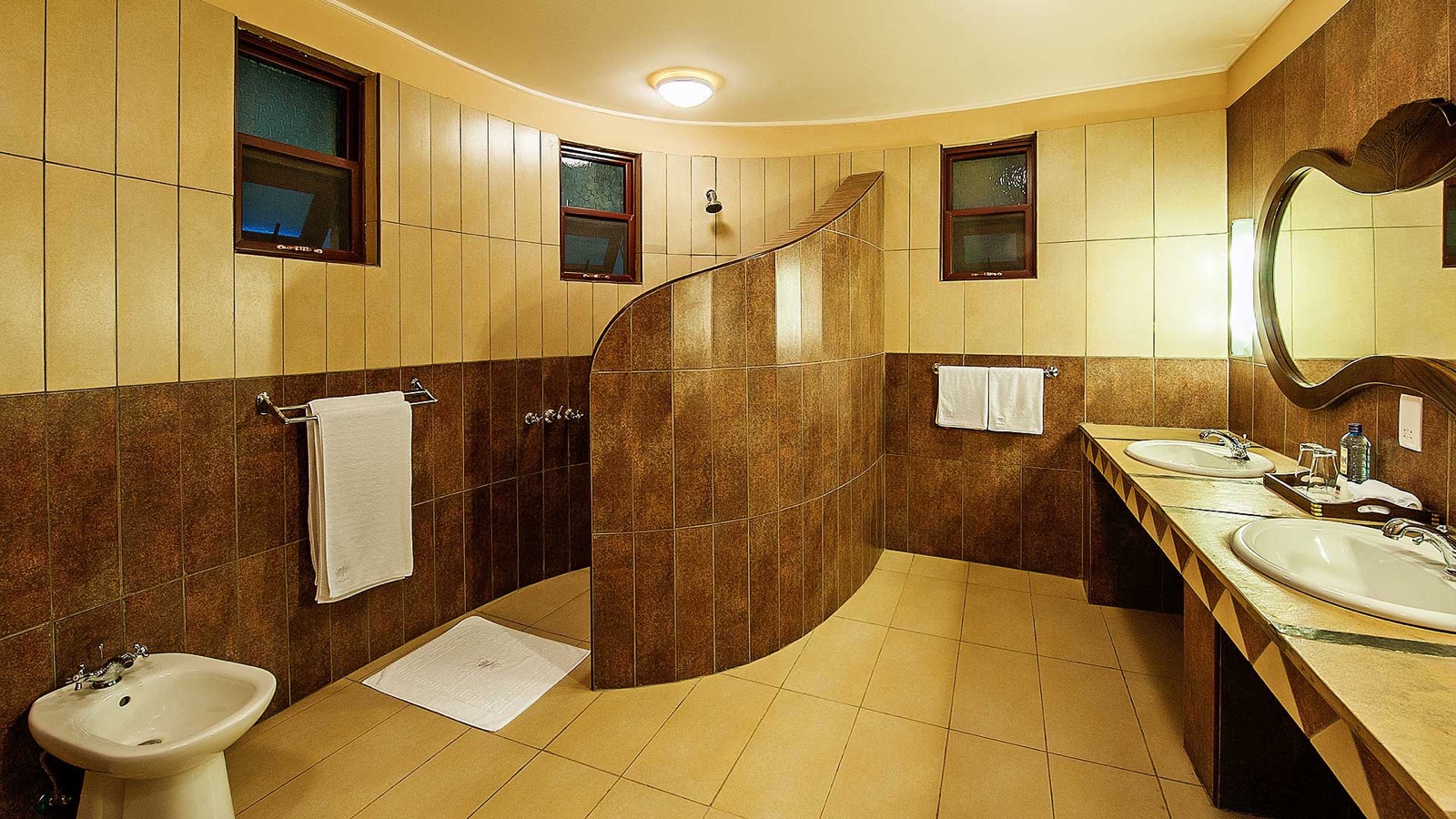
Safari lodge · Lake Nakuru National Park
A hillside lodge inside Lake Nakuru National Park, with wide lake views, spacious rooms and a swimming pool.
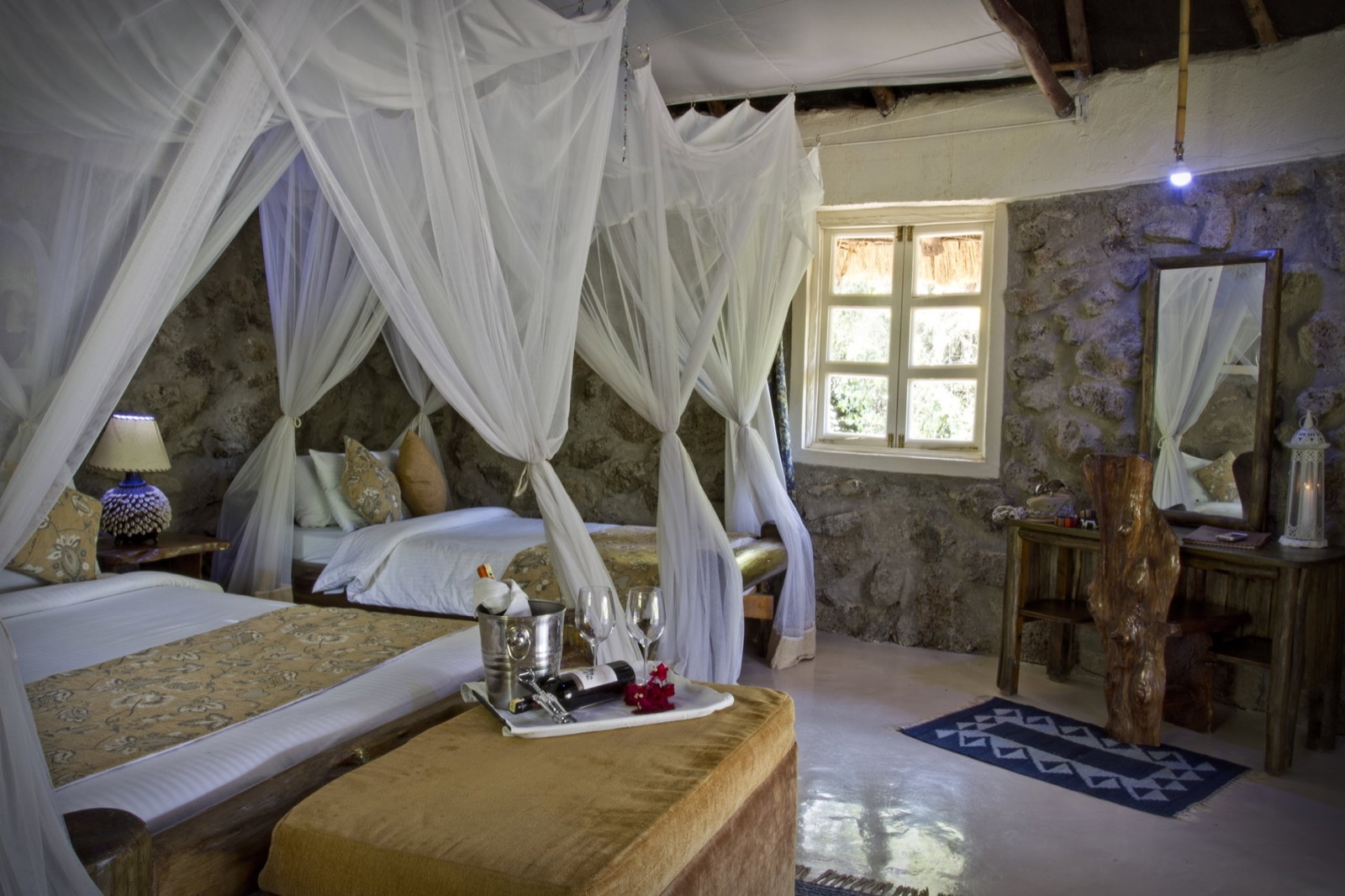
Safari lodge · Congreve Conservancy, southern Lake Nakuru area
An intimate cottage camp in Congreve Conservancy near Lake Nakuru, with rustic stone architecture and a peaceful bush setting.
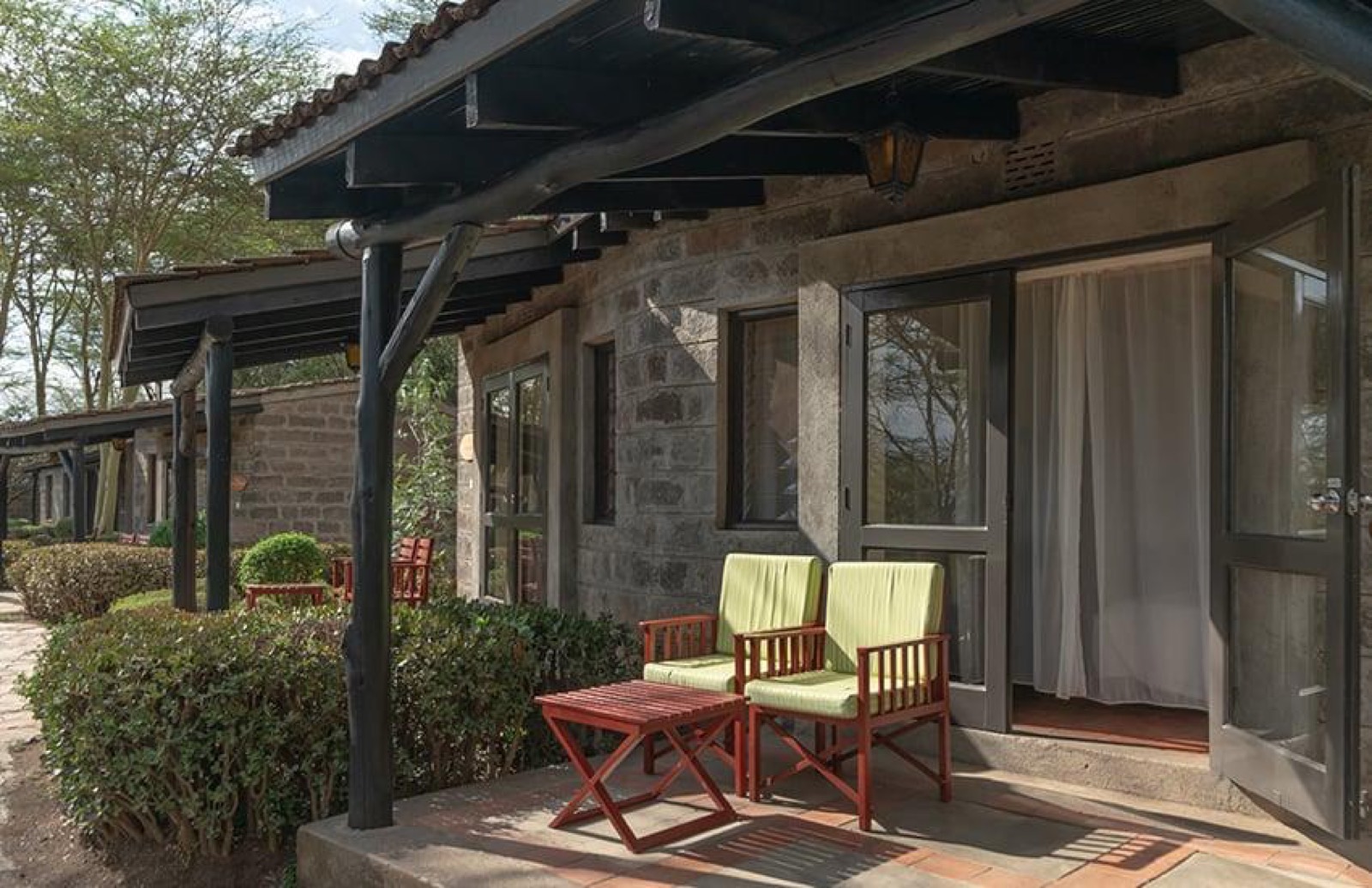
Safari lodge · Lion Hill, Lake Nakuru National Park
A comfortable hillside lodge inside Lake Nakuru National Park, with chalet-style rooms, private terraces and a temperature-controlled pool.
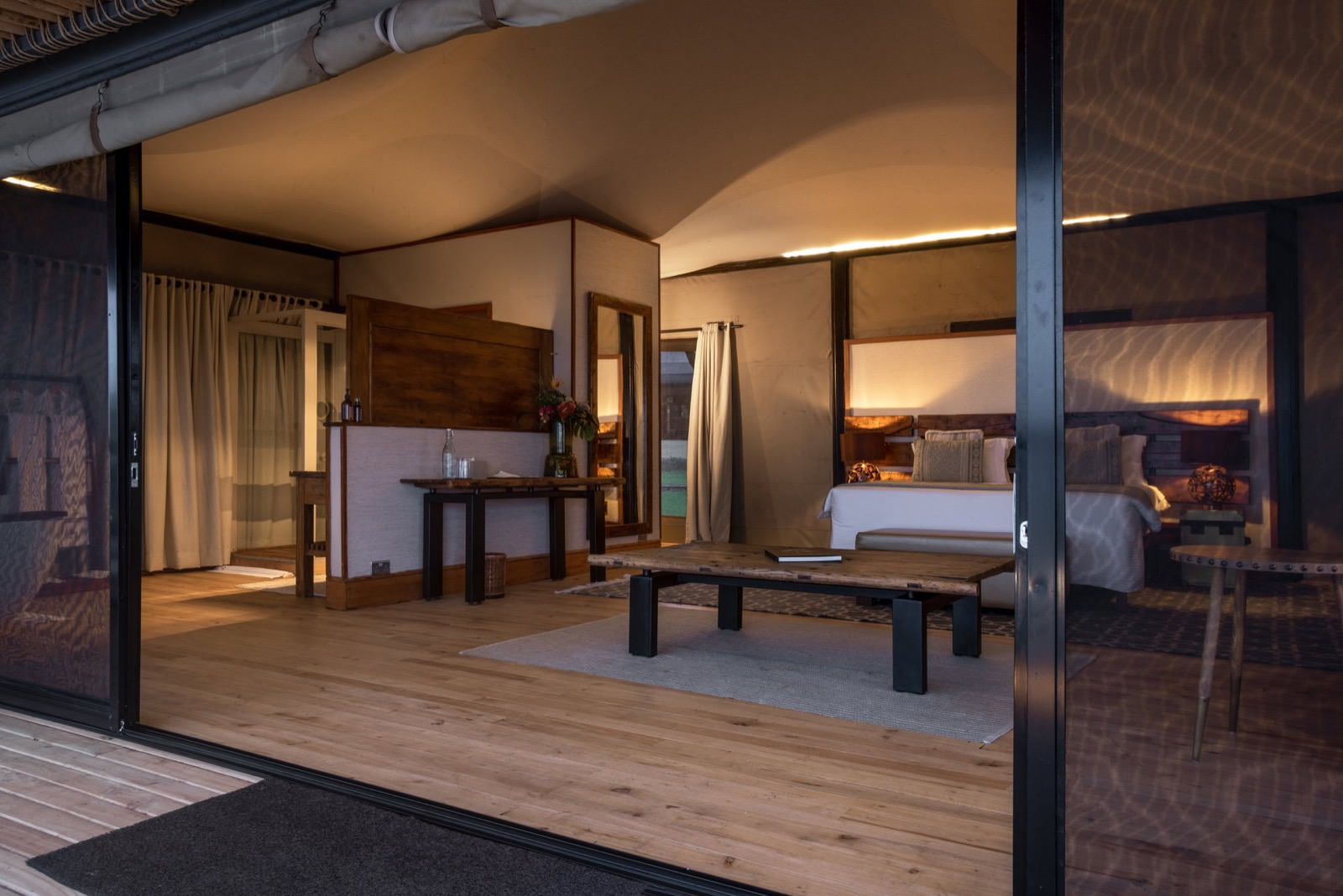
Tented camp · Lake Nakuru National Park
An intimate luxury tented camp on a cliff above Lake Nakuru, with private viewing decks and sweeping views inside the national park.
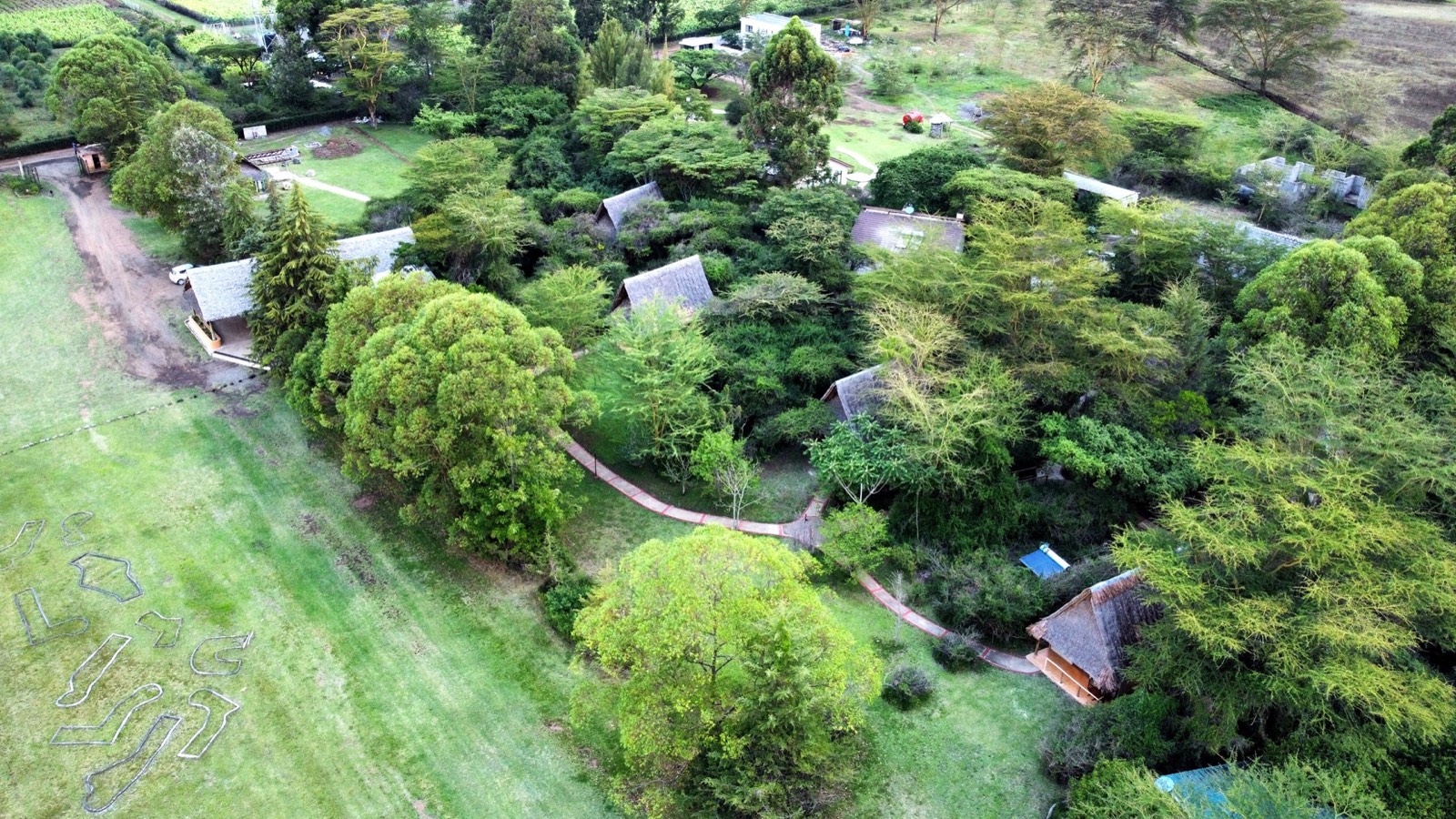
Safari lodge · Nakuru countryside, outside Lake Nakuru National Park
A peaceful boutique lodge near Nakuru, with individual cottages and family villas set among landscaped gardens outside Lake Nakuru National Park.
Lake Nakuru is a straightforward, well-managed park for game drives. Stay in your vehicle except in designated areas, keep the doors closed, stay on the marked tracks and keep at least 20 metres from wildlife; buffalo, rhinos and lions can all be dangerous at close range. The park speed limit is 40 km/h, and feeding animals is prohibited.
Rising water has flooded some low-lying areas, so follow the advice of Kenya Wildlife Service rangers about which tracks are open, and avoid driving on the main highways after dark.
Yellow fever: Kenya requires a yellow fever vaccination certificate from travellers aged one year and over arriving from a country with a risk of yellow fever transmission. The CDC also recommends the vaccine for travellers aged nine months and over visiting most of Kenya, including the Rift Valley lakes.
Malaria: the CDC lists malaria risk in all areas of Kenya below 2,500 m, game parks included. Lake Nakuru lies at about 1,754 m, so antimalarial tablets are recommended. Use insect repellent, cover up at dusk and sleep under a net where one is provided.
Drink bottled or filtered water and use high-factor sun cream; the equatorial sun is strong at this altitude. Speak to a travel health clinic 6-8 weeks before travel about vaccinations and antimalarials.
Keep valuables in your room safe, carry a copy of your passport and keep bags close in busy towns and bus stations. Avoid driving after dark: driving standards on Kenya’s highways are often poor, and there have been serious accidents involving long-distance buses and matatus. Book excursions through reputable, licensed operators rather than touts, and check the latest UK FCDO or your own government’s travel advice before you go.
Take out comprehensive travel insurance that includes medical treatment and emergency evacuation. If you are combining several parks or countries in one trip, check that the policy covers the whole itinerary.
Keep your insurer’s 24-hour assistance number and your policy details with you.
We’ll help you choose the route, the pace and where to stay.
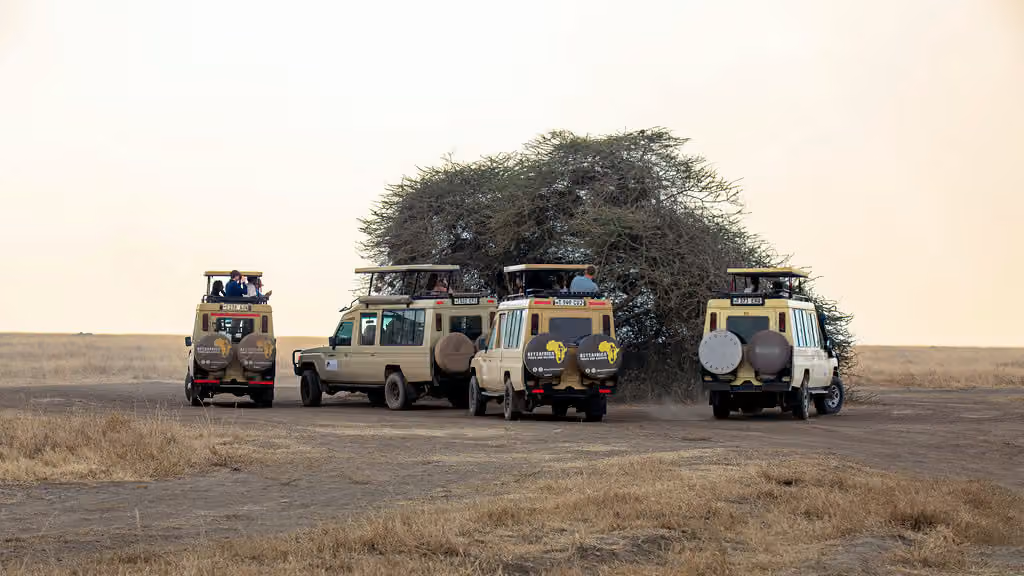
Tell us a little about your dream trip. Our team will help turn your ideas into a safari designed around you.