
14-Day Tanzania Safari & Zanzibar Beach Experience
Serengeti, Arusha, Tarangire, Lake Manyara +4 more
- Price
- On request
- Duration
- 14 Days / 13 Nights
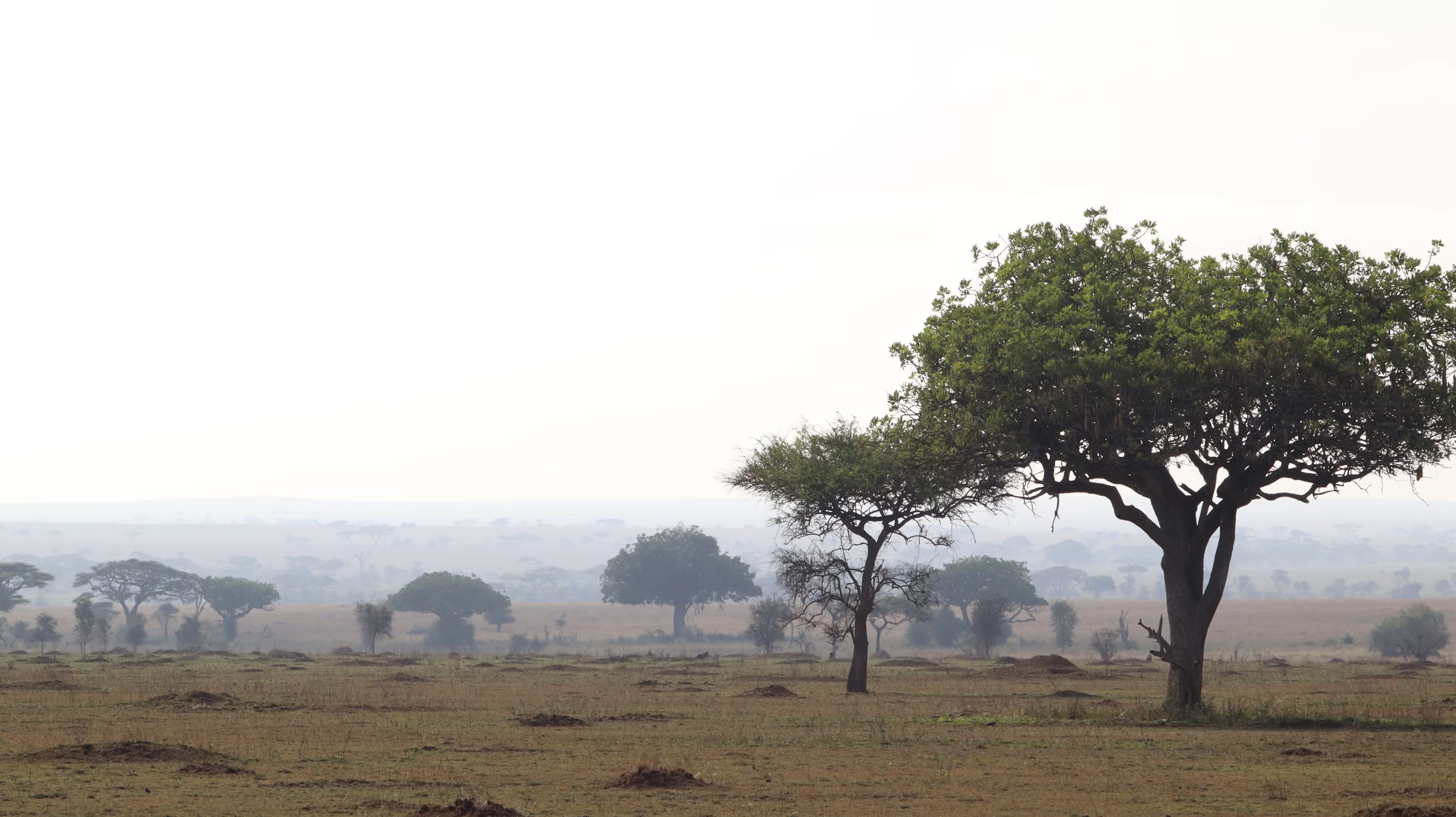
A compact park beneath the Rift Valley escarpment, with groundwater forest, a shallow soda lake, elephants, baboons and rich birdlife.
Lake Manyara National Park lies at the foot of the Great Rift Valley escarpment, about 126 km south-west of Arusha on the main road to the Ngorongoro Crater and the Serengeti. It covers 648.7 km², including part of the shallow, alkaline Lake Manyara. Within that area it has many different habitats on a narrow strip of land between the escarpment wall and the lakeshore.
Close to the main gate, a groundwater forest of tall fig and mahogany trees is home to troops of baboons and blue monkeys. Further south the forest opens into grassland, acacia woodland and lakeshore, where elephants, giraffes, buffalo, zebras and hippos are seen. There are also two hot springs, one near the centre and one near the southern edge of the park.
Flamingos, pelicans, storks and many other waterbirds come to the soda lake, but their numbers depend on the water level. The park is also known for lions that sometimes rest in trees, although sightings are never guaranteed. A treetop canopy walkway gives a different view of the forest.
Lake Manyara became a national park in 1960, having previously been a game reserve. Since 1981 it has been part of the Lake Manyara Biosphere Reserve, recognised by UNESCO. Because it sits on the road west from Arusha, it is often combined with Tarangire, the Ngorongoro Crater and the Serengeti.
At the foot of the Rift Valley escarpment in northern Tanzania, in Arusha and Manyara regions; the main gate is beside Mto wa Mbu
648.7 km², including part of Lake Manyara
National park since 1960; part of a UNESCO biosphere reserve since 1981
June to October for game viewing; November to May for birdlife and green scenery
About 126 km from Arusha, roughly 1.5 to 2 hours by road
Groundwater forest, baboons, elephants, tree-climbing lions, waterbirds and a treetop canopy walkway
The park is open all year. The dry season, from about June to October, is generally the best time for game viewing because the vegetation is thinner and animals are easier to see. The wetter months, from about November to May, bring green scenery and migratory birds. The number of flamingos on the lake depends on the water level. The heaviest rain usually falls from March to May, when tracks can be muddy.
Most visitors arrive by road from Arusha, which is about 126 km away, or roughly 1.5 to 2 hours on a tarmac road. The main gate is at the edge of Mto wa Mbu, on the road to Karatu, the Ngorongoro Crater and the Serengeti, so the park fits easily into a northern circuit itinerary. International visitors usually fly into Kilimanjaro International Airport, between Arusha and Moshi. From Dar es Salaam or Zanzibar, the usual route is a domestic flight to Arusha or Kilimanjaro, then the drive.
The park takes its name from emanyara, the Maasai name for the plant Euphorbia tirucalli.
Lions at Lake Manyara are known for sometimes resting in trees, but sightings are never guaranteed and depend on luck on the day.
The park has a treetop canopy walkway, and guided walks can be arranged in advance with the park authorities. Canoeing depends on the water level in the lake.
Yes. There is a high risk of malaria in all areas of Tanzania below 1,800 m, and the park lies well below that. Speak to a travel health clinic 6-8 weeks before travel about antimalarials.
Yes. The park lies on the main road from Arusha to the Ngorongoro Crater and the Serengeti, so it is easy to include on a northern circuit safari with Tarangire, the crater and the Serengeti.
Serengeti, Arusha, Tarangire, Lake Manyara +4 more
Serengeti, Arusha, Tarangire, Ngorongoro Crater +2 more
Serengeti, Zanzibar, Arusha, Tarangire +3 more
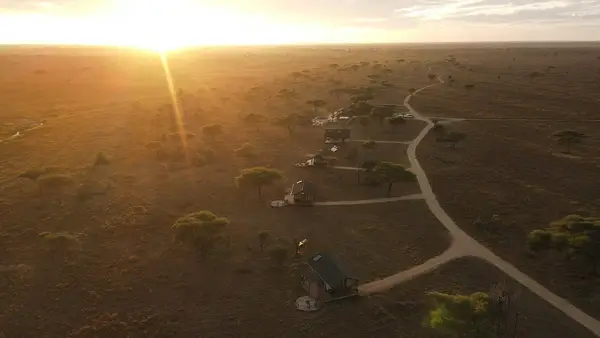
Tarangire, Serengeti, Northern Serengeti (Kogatende), Ngorongoro Crater +3 more
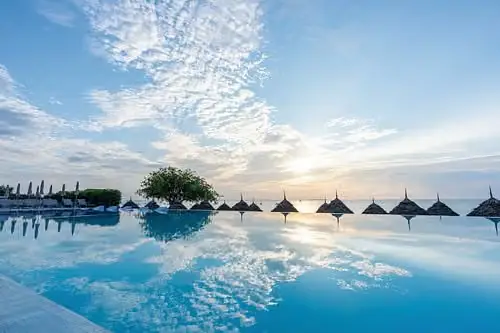
Serengeti, Tarangire, Ngorongoro Crater, Lake Manyara +3 more
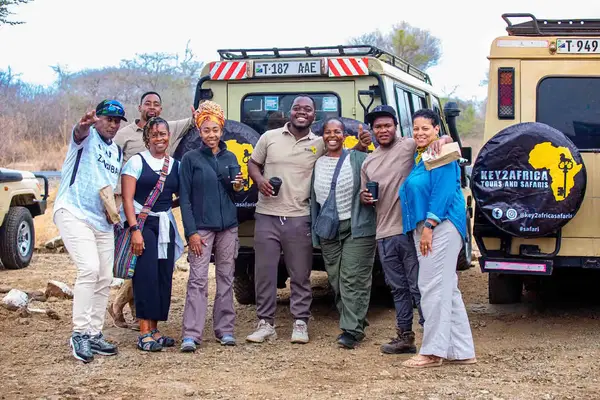
Serengeti, Tarangire, Ngorongoro Crater, Lake Manyara +2 more
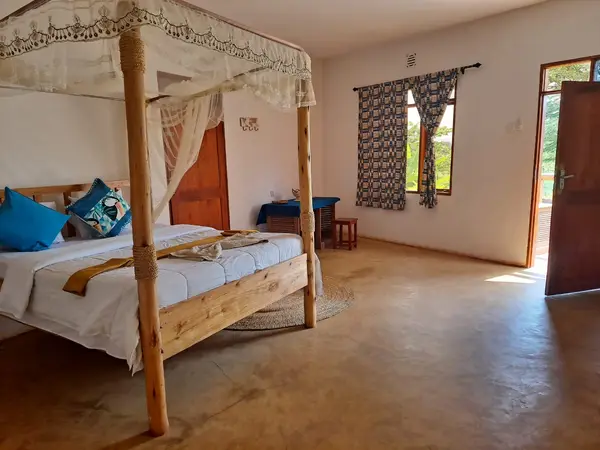
Safari lodge · Mto wa Mbu / Lake Manyara
A lodge and campsite in the Lake Manyara area, offering room stays and camping for northern Tanzania safari itineraries, with dining, gardens and views of the surrounding landscape.
Lake Manyara is a well-managed national park and a safe place to visit with a professional guide. Stay in the vehicle except at designated sites, keep a respectful distance from elephants and buffalo, and never feed the baboons, which can be bold around picnic areas. Walks and canoe trips, where available, take place only with park-approved guides. The road from Arusha is tarmac, but tracks inside the park can be muddy in the rains.
A yellow fever vaccination certificate is required from travellers over one year of age who arrive from a country with a risk of yellow fever transmission, or who have transited for more than 12 hours through an airport in such a country. There is a high risk of malaria in all areas of Tanzania below 1,800 m, which includes Lake Manyara. Use insect repellent, cover up in the evening and take advice on antimalarial tablets. Speak to a travel health clinic 6-8 weeks before travel.
Keep valuables in your lodge safe and carry a copy of your passport. At busy roadside stops such as Mto wa Mbu, keep cameras and phones out of sight. Agree prices before buying from stalls.
Take out comprehensive travel insurance that covers medical treatment and emergency evacuation, including air evacuation from remote areas of northern Tanzania. If you plan to do walking safaris, canoeing or cycling, check that they are covered.
Emergency number: dial 112 for emergency services in Tanzania. Ambulance services are limited outside the larger towns, so your guide, driver or lodge is often the quickest way to arrange transport to medical care.
Nearest hospitals: FAME (Foundation for African Medicine and Education) hospital in Karatu, west of the park on the road to Ngorongoro, and Arusha Lutheran Medical Centre in Arusha for more serious cases. If a serious emergency needs evacuation, arrange it through your travel insurer's assistance line.
We’ll help you choose the route, the pace and where to stay.
Tell us a little about your dream trip. Our team will help turn your ideas into a safari designed around you.