
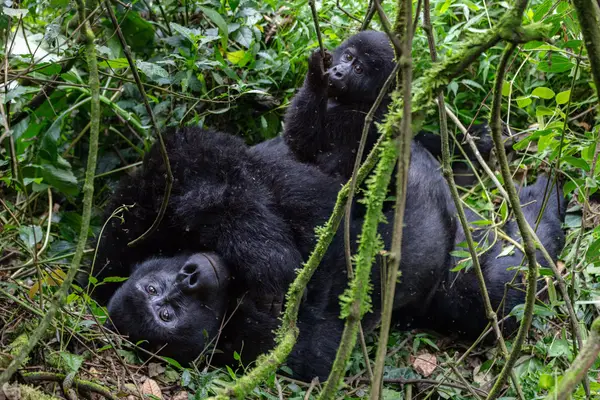
10-Day Uganda & Tanzania Gorilla Safari
Bwindi Impenetrable, Tarangire, Serengeti, Ngorongoro Crater +2 more
- Price
- On request
- Duration
- 10 Days / 9 Nights
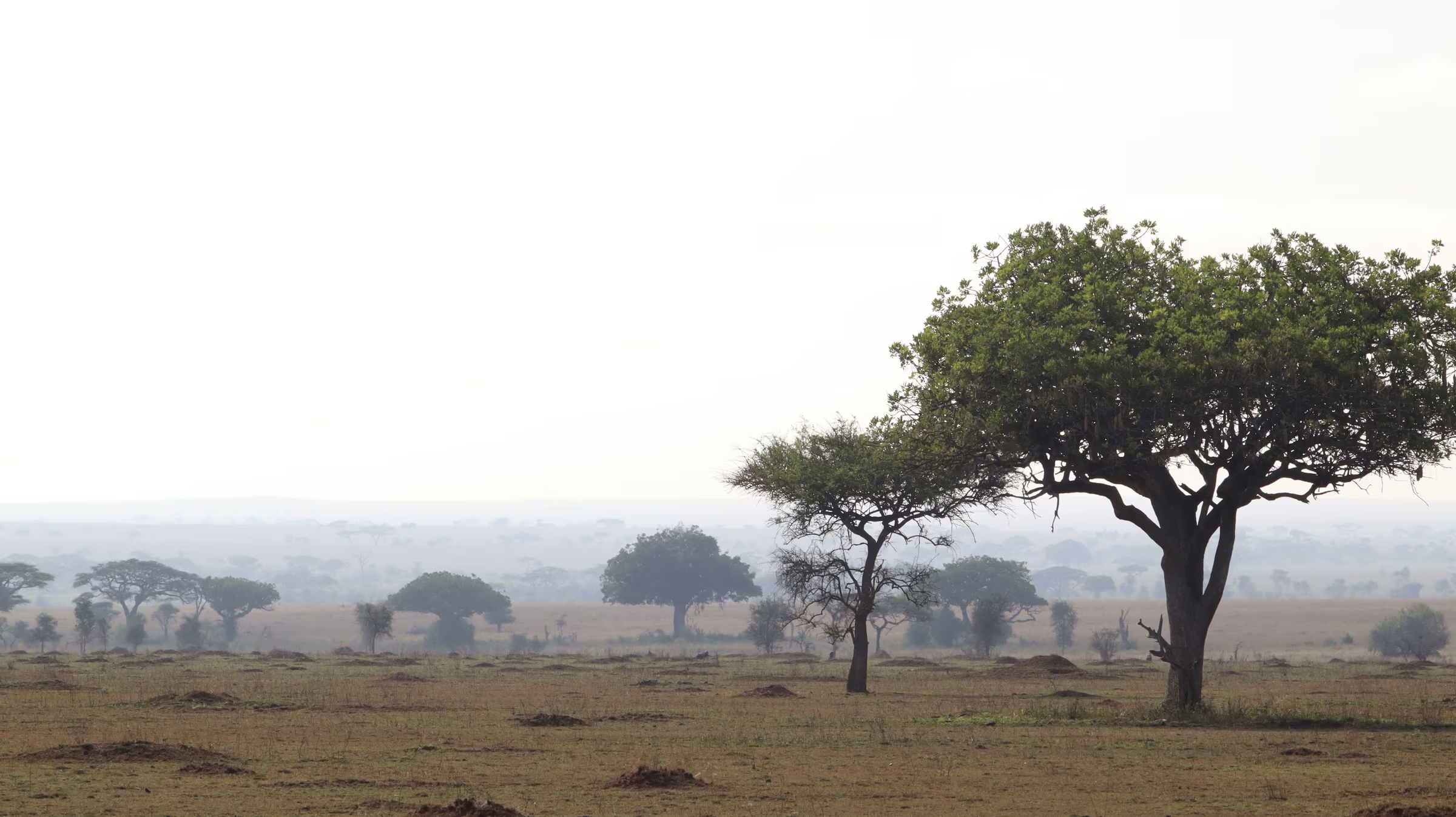
A rainforest park in south-western Uganda, home to almost half of the world’s mountain gorillas and known for gorilla trekking.
Bwindi Impenetrable National Park, in south-western Uganda, is one of the best-known places to see mountain gorillas. Its steep, forested ridges cover about 321 km² and rise from 1,160 m to 2,607 m. The park was created in 1991 and inscribed as a UNESCO World Heritage Site in 1994, and together with the small neighbouring Sarambwe reserve in the Democratic Republic of the Congo it holds almost half of the world’s known mountain gorillas.
Gorilla trekking takes you into the forest with Uganda Wildlife Authority rangers and trackers in search of one of the habituated gorilla families. Treks start from four sectors, Buhoma, Ruhija, Rushaga and Nkuringo, and once the gorillas are found visitors spend one hour with them, in groups of no more than eight.
The forest is also home to around 120 mammal species, including chimpanzees and other primates, more than 350 bird species, including 23 endemic to the Albertine Rift, and over 200 species of butterfly. The terrain is steep and often muddy, so a reasonable level of fitness helps.
Bwindi is reached by a scheduled flight from Entebbe or by road from Kampala or Kigali, and it can be combined with other parks in Uganda and Rwanda or with a safari in Kenya or Tanzania.
South-western Uganda, close to the borders with Rwanda and the Democratic Republic of the Congo
About 321 km²
1,160 m to 2,607 m
National park since 1991; UNESCO World Heritage Site since 1994
All year; the drier spells of June to August and December to February usually mean firmer trails
Scheduled flights from Entebbe to Kihihi or Kisoro airstrips, or a full day's drive from Kampala
Mountain gorilla trekking, forest birds and Albertine Rift endemics
Gorilla trekking runs throughout the year. Rainfall peaks roughly from March to May and from September to November, and the drier spells around December to February and June to August usually bring firmer, less slippery trails. Gorilla permits can sell out at any time of year, so book well ahead.
This is a rainforest, so a shower is possible on any day, and early mornings can be cool. Pack a waterproof jacket, long trousers and sturdy, broken-in boots whatever the season.
By air: the Uganda Wildlife Authority gives about 1 hour 10 minutes for scheduled flights from Entebbe. Kihihi airstrip serves the northern part of the park around Buhoma, and Kisoro airstrip the southern sectors of Rushaga and Nkuringo; a 4x4 transfer to your lodge follows.
By road from Kampala: allow a full day. The routes follow tarmac to Rukungiri (about 390 km) or Kabale (about 414 km, roughly six hours), then murram roads into the hills, where a 4x4 vehicle is recommended.
From Kigali, Rwanda: the southern sectors are around four to five hours away by road via the Cyanika border, and Buhoma and Ruhija are usually reached via the Katuna (Gatuna) border; allow extra time for border formalities.
The sectors can be hours apart by road, so stay close to the sector named on your gorilla permit.
A 2018 survey of Bwindi and the neighbouring Sarambwe Nature Reserve in the Democratic Republic of the Congo counted at least 459 mountain gorillas, almost half of the 1,063 known at the time.
The Uganda Wildlife Authority sets the minimum age for gorilla trekking at 15 years.
Standard gorilla trekking allows one hour with the gorillas after they are located, in a group of up to eight visitors. Keep the distance required by your UWA ranger, never touch or feed gorillas, and do not use flash photography or eat, drink or smoke near them. Follow the current briefing, including any mask requirements.
Reasonably fit. Trails are steep and often muddy, at altitudes of up to about 2,600 m, and the length of a trek depends on where the gorillas have moved, so it is hard to predict.
No. Gorillas can catch human illnesses, so anyone with a cold or another infectious illness is asked not to trek.
Bwindi Impenetrable, Tarangire, Serengeti, Ngorongoro Crater +2 more
Maasai Mara National Reserve, Nairobi, Lake Nakuru, Serengeti +5 more
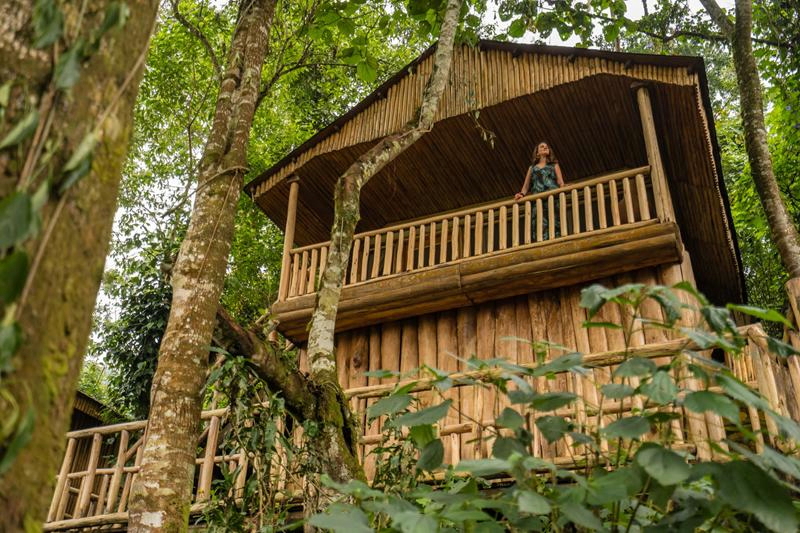
Safari lodge · Buhoma sector, Bwindi Impenetrable National Park
An intimate luxury lodge in Bwindi’s Buhoma sector, with ten forest-facing chalets and a short walk to the gorilla trekking meeting point.
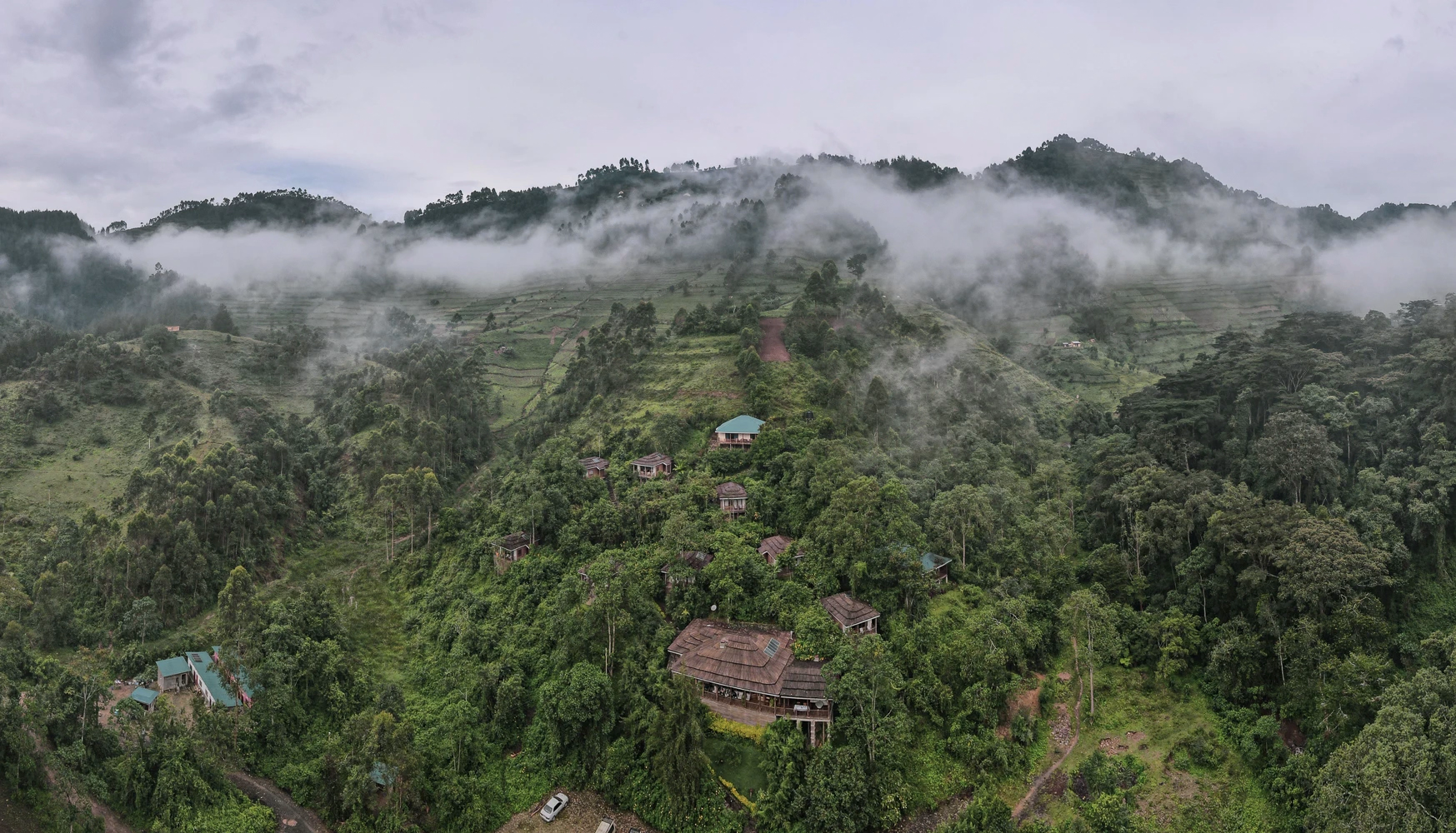
Safari lodge · Rushaga sector, Bwindi Impenetrable National Park
A luxury forest-edge lodge in southern Bwindi’s Rushaga sector, with private rooms and easy access to gorilla trekking.
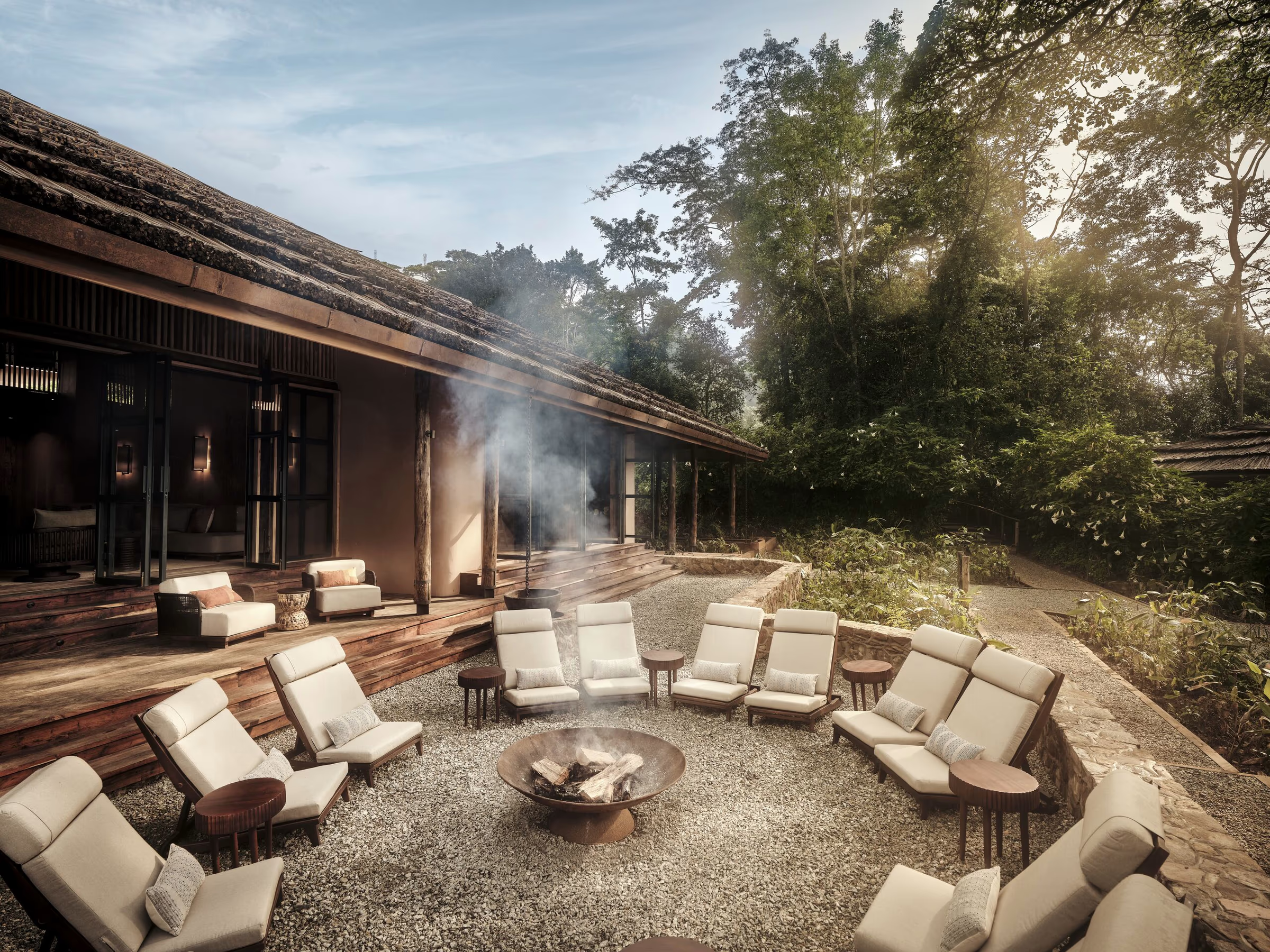
Safari lodge · Buhoma sector, Bwindi Impenetrable National Park
An exclusive ten-suite retreat inside Bwindi Impenetrable National Park, combining forest immersion with luxury and access to Buhoma gorilla trekking.
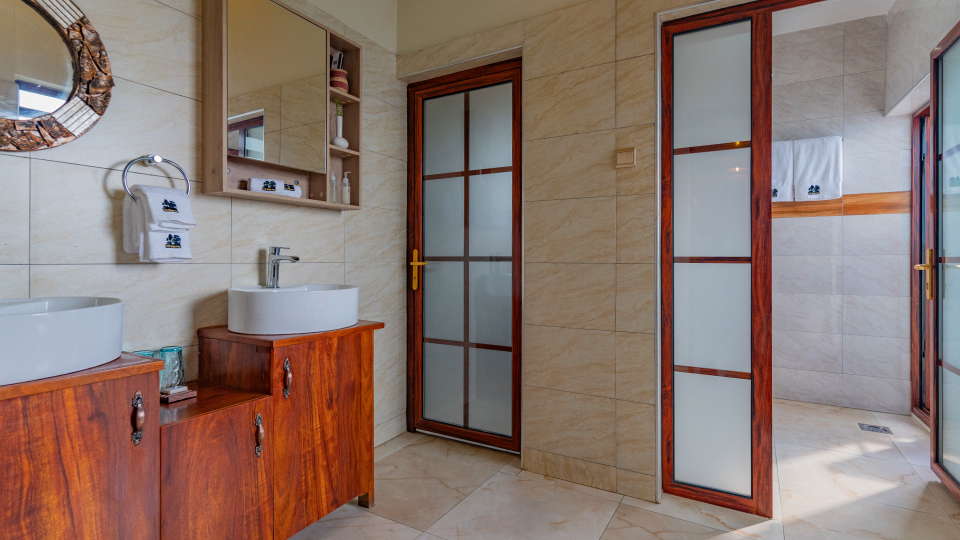
Safari lodge · Nkuringo sector, Bwindi Impenetrable National Park
A luxury hilltop retreat in Nkuringo with Bwindi forest and Virunga views, spacious cottages, a swimming pool and IKE Spa.
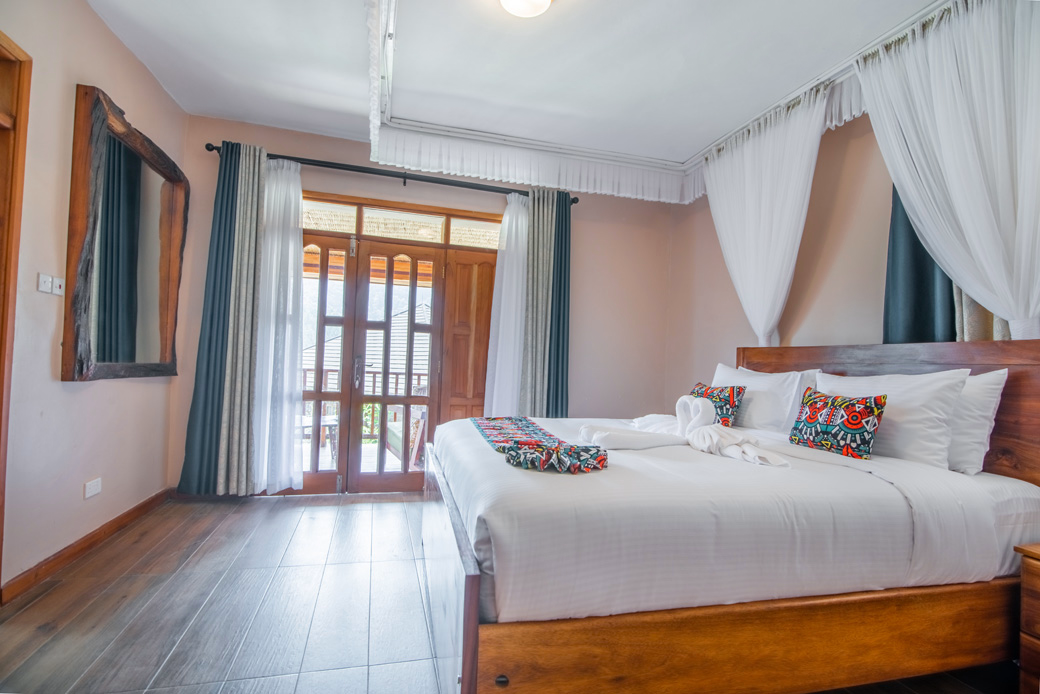
Safari lodge · Rushaga sector, Bwindi Impenetrable National Park
A peaceful Rushaga lodge with forest-facing cottages, family accommodation and spa treatments, close to the gorilla trekking starting point.

Safari lodge · Rushaga sector, Bwindi Impenetrable National Park
A comfortable luxury lodge on Bwindi’s Rushaga forest boundary, about five minutes’ walk from the gorilla trekking briefing point.
Gorilla trekking in Bwindi is well organised and closely managed by the Uganda Wildlife Authority, and security staff routinely accompany gorilla-trekking groups. The main risks are physical: steep, slippery slopes and long days on foot at altitude, so good boots, gloves and a walking stick help. Follow the rangers' briefing at all times, keep the required distance from the gorillas and stay with your group.
Roads to the park are long and partly unsurfaced, and travel after dark outside the main towns is best avoided. Heavy rain can cause flooding and landslides during the wet seasons.
Consult a travel health clinic 6–8 weeks before departure for personal vaccination and malaria prevention advice. Uganda has a high malaria risk: use prescribed prevention where advised, insect repellent, covering clothing and mosquito nets. Yellow fever vaccination is recommended for most travellers aged nine months and older, subject to individual medical assessment. Uganda’s immigration authority announced on 2 October 2026 that the yellow fever certificate is no longer mandatory for entry; check current rules for your complete route, as onward countries may still require proof after a visit to Uganda. Carry safe drinking water, sturdy boots and rain protection. Forest trails are steep and slippery, and some reach about 2,600 m. Tell your guide about mobility needs and do not trek with an infectious illness, including a cold. Check current public health notices before travel.
Bwindi lies close to the borders with Rwanda and the Democratic Republic of the Congo. Book through a registered tour operator, check the latest UK FCDO or your own government's travel advice before you go, and do not join any tour that crosses into the Democratic Republic of the Congo.
Avoid road travel after dark, keep valuables out of sight, carry a copy of your passport's photo page and follow the advice of rangers and local authorities.
Take out comprehensive travel insurance that includes medical treatment and emergency evacuation, including by air, as Bwindi is remote and the nearest major hospitals are far away. Make sure the policy covers trekking on steep terrain at altitudes of up to about 2,600 m.
Serious cases may need evacuation to Kampala or abroad. Keep your insurer’s 24-hour assistance number with you.
We’ll help you choose the route, the pace and where to stay.
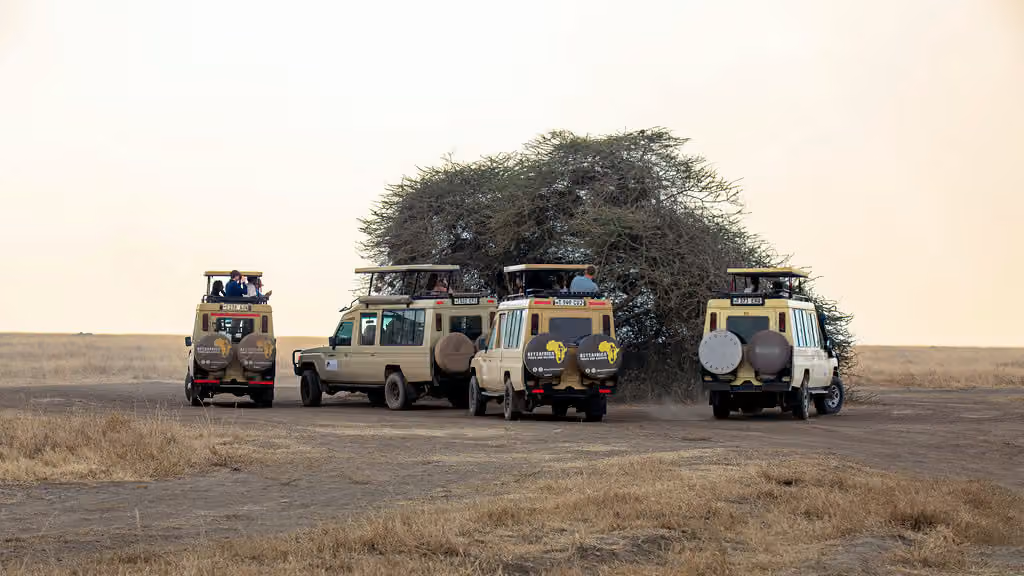
Tell us a little about your dream trip. Our team will help turn your ideas into a safari designed around you.