
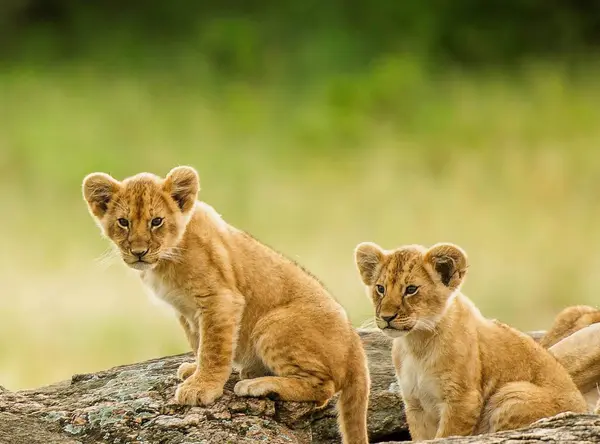
14-Day Kenya & Tanzania Safari
Lake Nakuru, Maasai Mara National Reserve, Serengeti, Ngorongoro Crater +4 more
- Price
- On request
- Duration
- 14 Days / 13 Nights
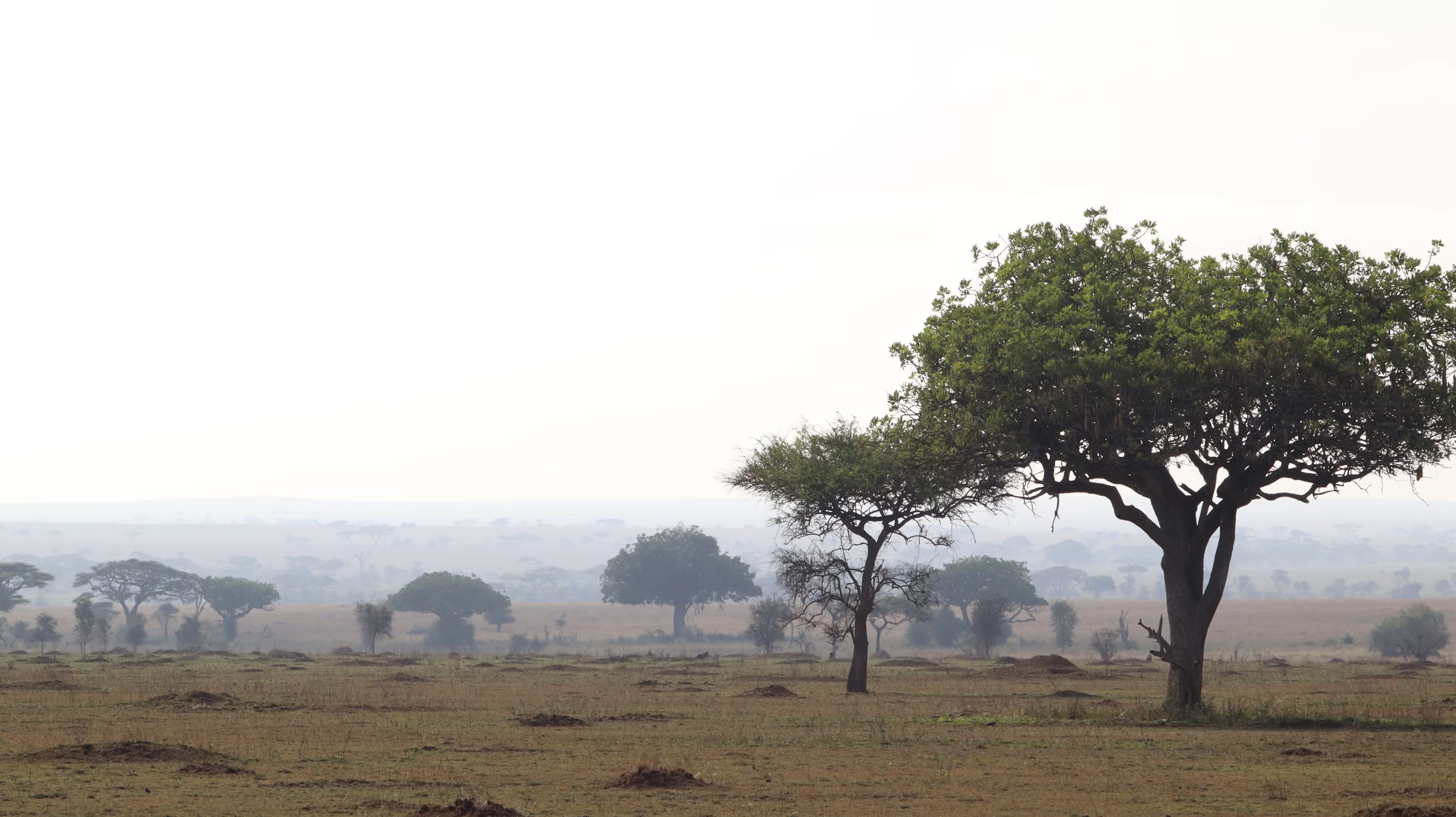
Experience Amboseli National Park, famous for large elephant herds, open plains, and spectacular views of Mount Kilimanjaro across the Kenya-Tanzania border.
Amboseli National Park lies in Kajiado County in southern Kenya, close to the border with Tanzania. The park covers about 392 km² at the heart of a much larger ecosystem of roughly 8,000 km² that extends across the border, and it is known above all for its elephants and for views of Mount Kilimanjaro, which rises just across the border in Tanzania.
Much of the park is flat, open ground on the bed of an ancient lake. It lies in the rain shadow of Kilimanjaro and is dry and dusty for much of the year, but water flowing underground from the mountain wells up in papyrus swamps that draw elephants, buffalo, hippos and waterbirds even in the driest months.
Besides elephants, visitors see lions, cheetahs, spotted hyenas, giraffes, zebras, wildebeest and many kinds of antelope. Around 400 bird species have been recorded, including dozens of birds of prey.
Amboseli became a nature reserve in 1968 and was gazetted as a national park in 1974. It is managed by the Kenya Wildlife Service. Amboseli is often combined with the Maasai Mara, or with northern Tanzania via the Namanga border.
Kajiado County, southern Kenya, near the Tanzanian border
About 392 km²
About 1,100–1,200 m
Nature reserve in 1968; gazetted as a national park in 1974
The dry seasons, June to October and January to February
About 230–240 km by road from Nairobi, or around 45 minutes by light aircraft from Wilson Airport
Large elephant herds, swamps and views of Mount Kilimanjaro
Amboseli can be visited all year. The dry seasons, from June to October and in January and February, are the most popular: animals gather around the swamps and tracks are firm. The long rains usually fall from March to May and the short rains in November and December, when the park turns green but some tracks can become difficult. Kilimanjaro is often hidden by cloud during the day, so early mornings usually give the best chance of a clear view.
From Nairobi: the park is about 240 km by road via Namanga or about 228 km via Emali, usually four to five hours' drive, with the last stretch on rougher roads. Scheduled light-aircraft flights from Wilson Airport take around 40–45 minutes to the park's airstrip.
From Arusha: the road runs north for about 100–120 km to the Namanga border, then roughly 75 km on to the park. Allow most of a morning or afternoon, plus time for border formalities. Safari vehicles are not usually allowed to work in both countries, so travellers normally change vehicle at the border.
The Amboseli Elephant Research Project, started by Cynthia Moss in 1972, has followed the park's elephants for more than 50 years, making it one of the longest-running studies of wild elephants.
The mountain can be seen on many days, but cloud often builds up as the day goes on. Early morning and the dry months give the best chance of a clear view.
Lions and cheetahs live in the park, but Amboseli is best known for its elephants. Many travellers pair it with the Maasai Mara for more predator viewing.
Yes. Amboseli is one of the closest Kenyan parks to Arusha, via the Namanga border. You will need the right visas for both countries, and Tanzania asks for a yellow fever certificate from travellers arriving from Kenya.
Yes. There is a high risk of malaria in Kenya below 2,500 m, which includes Amboseli. Ask a travel health clinic about antimalarials before you go.
Lake Nakuru, Maasai Mara National Reserve, Serengeti, Ngorongoro Crater +4 more
Maasai Mara National Reserve, Serengeti, Ngorongoro Crater, Arusha +2 more
Maasai Mara National Reserve, Northern Serengeti (Kogatende), Ngorongoro Crater, Arusha +2 more
Serengeti, Maasai Mara National Reserve, Ngorongoro Crater, Amboseli +2 more
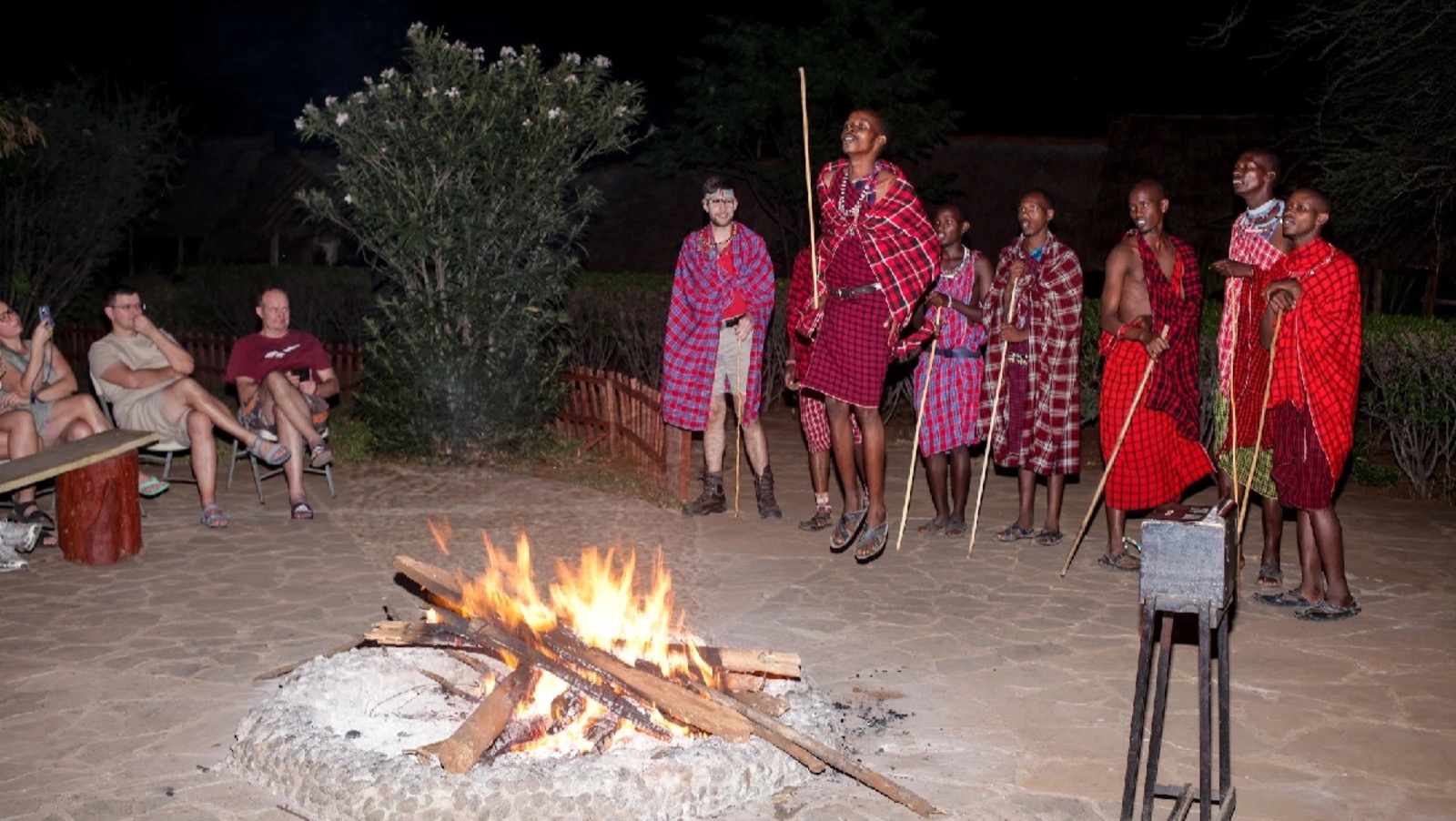
Safari lodge · Kimana Gate area, Amboseli
A comfortable safari base near Amboseli’s Kimana Gate, with Kilimanjaro views, a swimming pool and a relaxed lodge atmosphere.
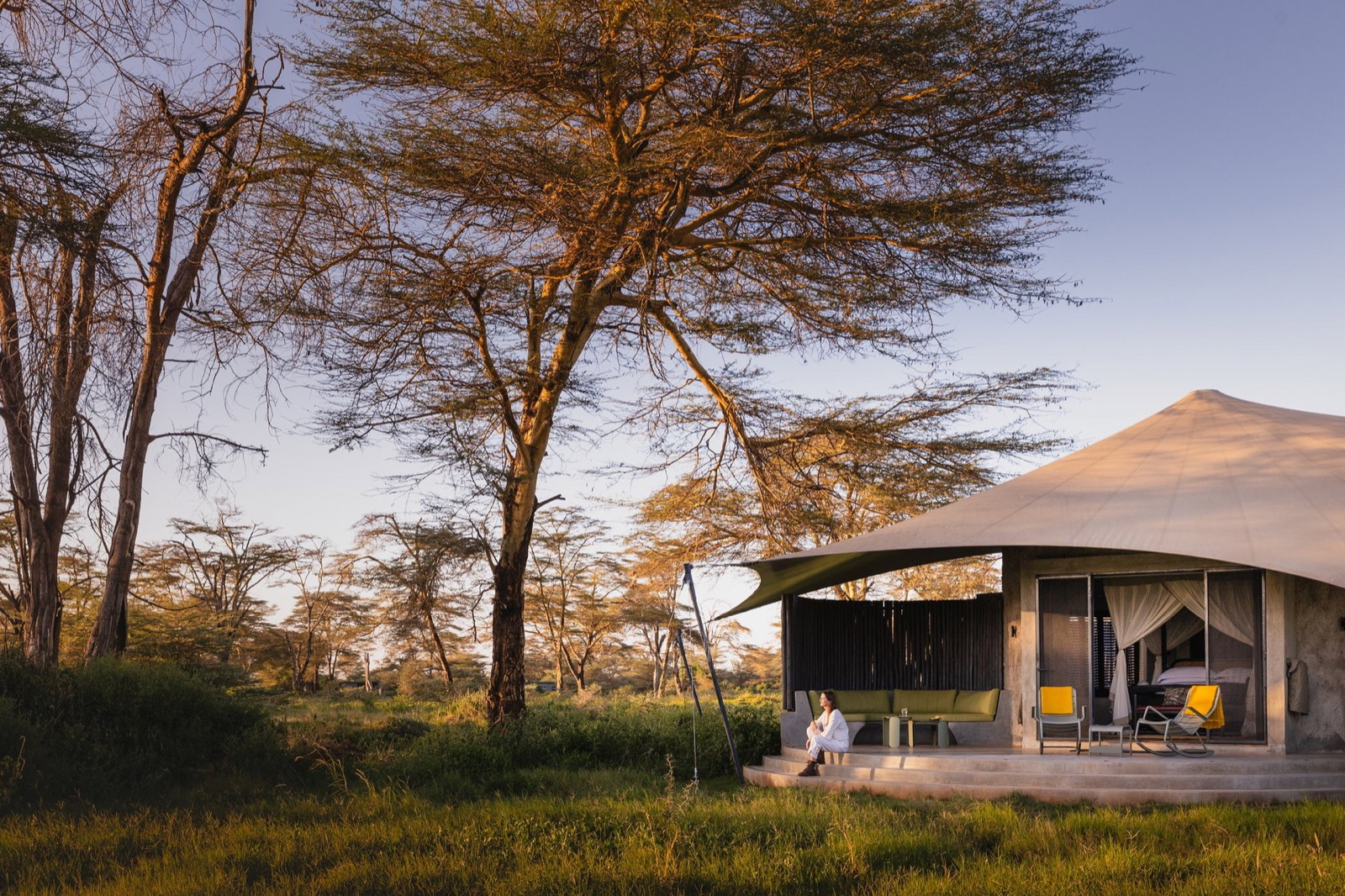
Safari lodge · Kimana Sanctuary, greater Amboseli ecosystem
An intimate luxury lodge in Kimana Sanctuary, with spacious suites, a raised pool and striking views towards Mount Kilimanjaro.
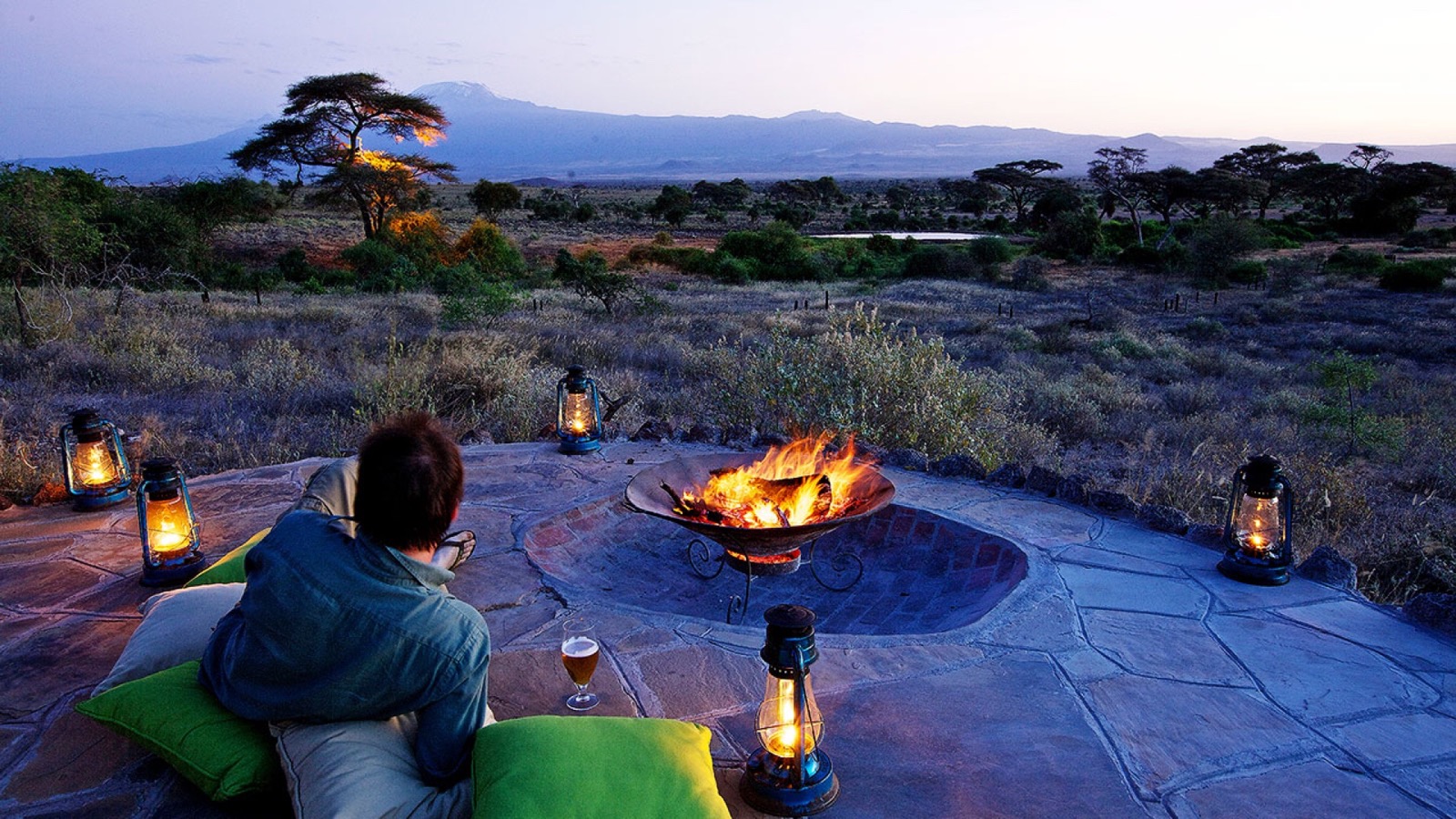
Tented camp · Private conservancy bordering Amboseli National Park
A luxury tented camp in acacia woodland beside Amboseli, with Kilimanjaro views, spacious en-suite tents and a strong solar-energy focus.
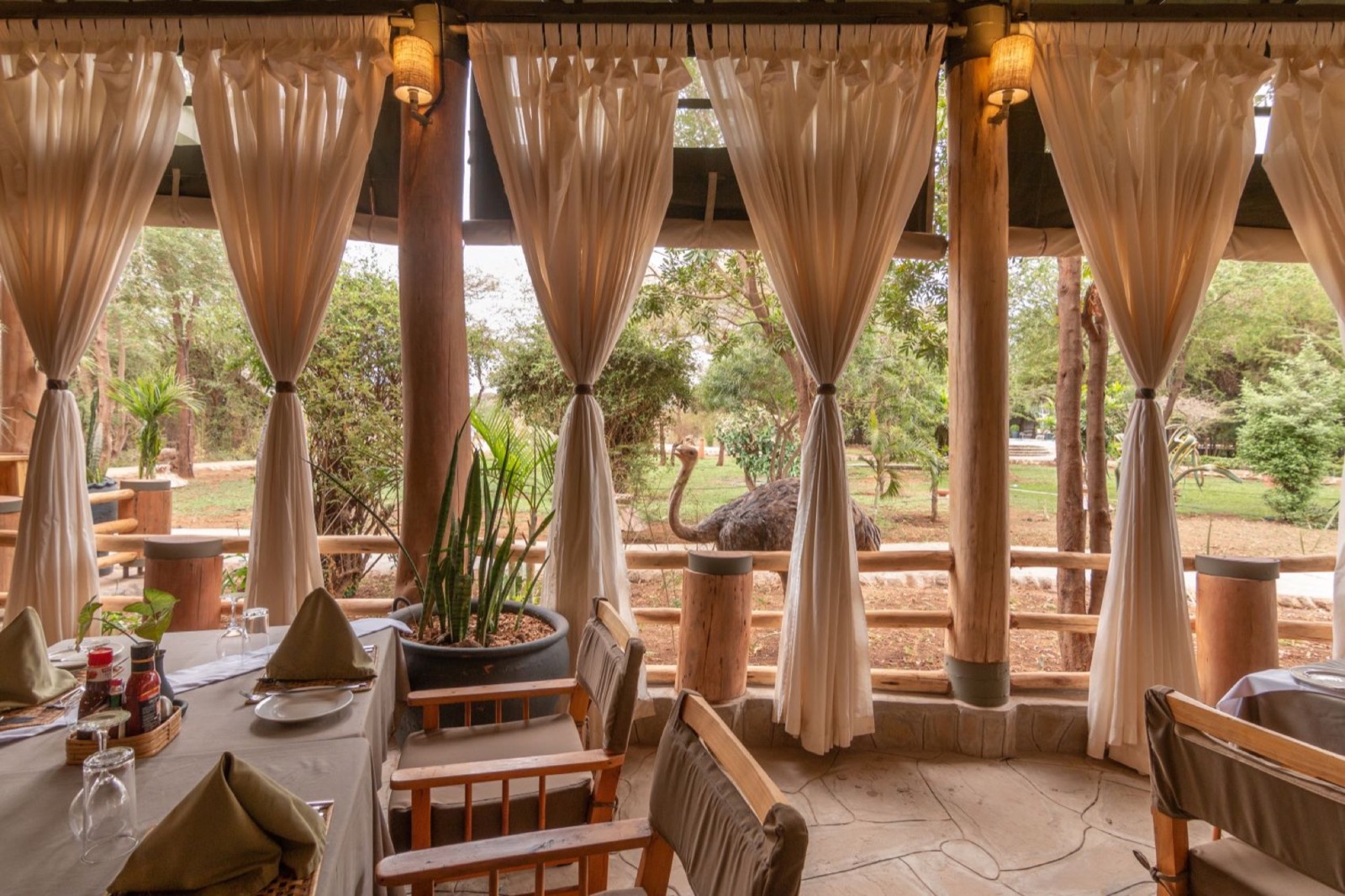
Tented camp · Amboseli / Kimana Gate area
A comfortable tented camp in the Amboseli area, with en-suite tents, a pool and dining beneath acacia trees with views towards Kilimanjaro.
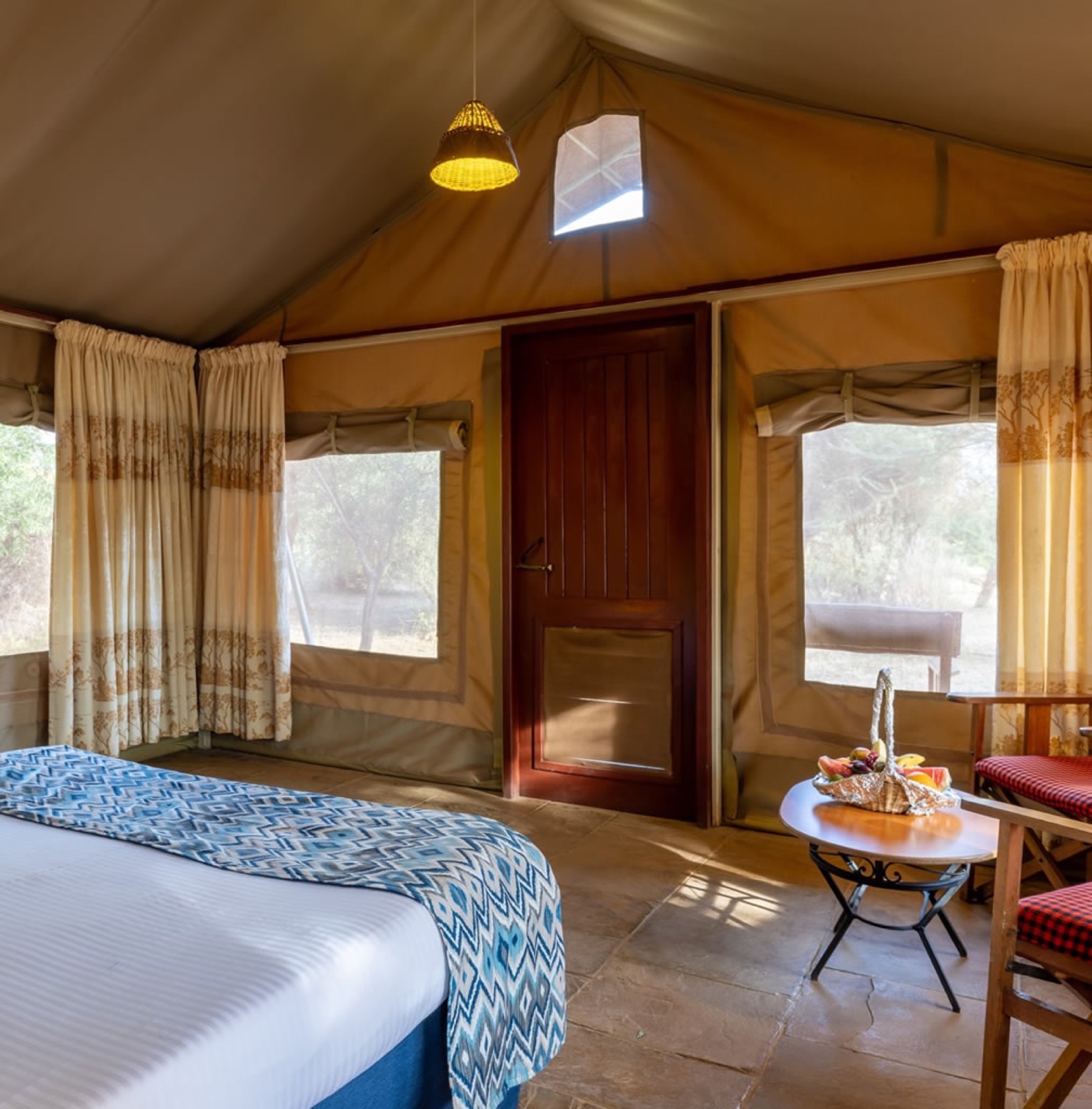
Tented camp · Kimana Gate area, Amboseli
A relaxed tented safari property near Kimana Gate, with en-suite accommodation, family houses and an outdoor pool.
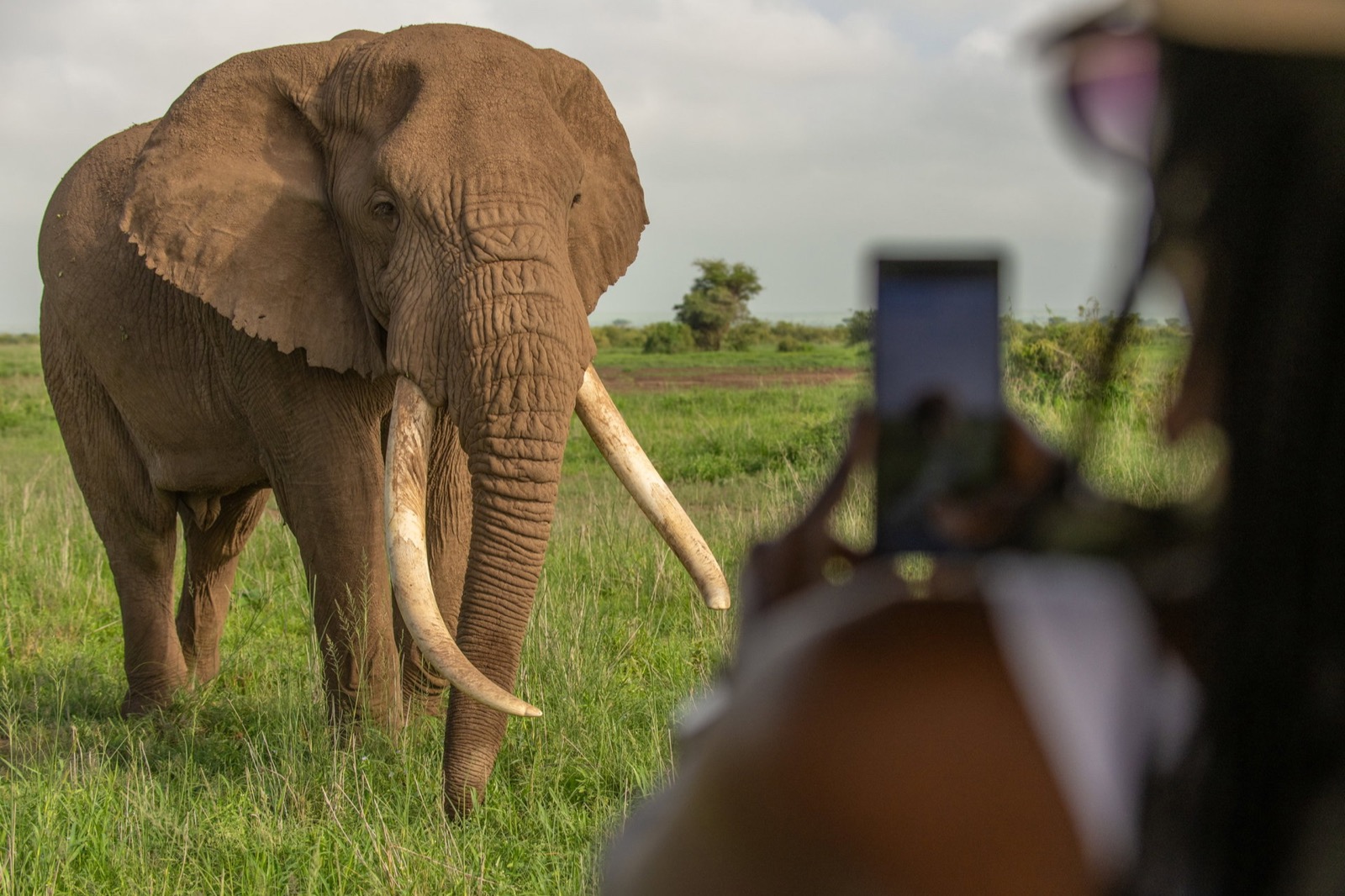
Safari lodge · Tawi private conservancy, Kimana Gate area
A luxury cottage lodge in a private Amboseli conservancy, with a waterhole-facing pool, spa and views towards Mount Kilimanjaro.
Amboseli is a well-managed national park and most visits are trouble-free. Stay in the vehicle unless your guide says otherwise, give elephants plenty of room, especially family groups with calves, and do not walk around an unfenced camp after dark without an escort. The park is hot, dusty and exposed, so carry water, sunscreen and a hat. Roads beyond Namanga and inside the park are rough, and heavy rain can make some tracks impassable; there is no fuel inside the park.
Kenya requires a yellow fever vaccination certificate from travellers over one year of age arriving from countries with a risk of yellow fever transmission. UK (NaTHNaC) and US (CDC) guidance also recommends yellow fever vaccination for travellers aged nine months and over visiting most of Kenya, including Amboseli; the exceptions are the North Eastern region, several coastal counties and the cities of Nairobi and Mombasa. Because Kenya is itself a yellow fever risk country, Tanzania asks for a certificate from travellers arriving from Kenya, so carry it if your trip continues across the border.
There is a high risk of malaria in Kenya below 2,500 m, which includes Amboseli. Antimalarial tablets are usually advised, together with insect repellent, long sleeves in the evening and a mosquito net where one is provided. Fine dust can irritate eyes and airways, so bring sunglasses and any inhalers you use.
Speak to a travel health clinic 6–8 weeks before travel about vaccinations, antimalarials and any personal health needs.
Use a licensed, reputable operator and do not buy safaris from street touts. Plan road journeys to arrive in daylight and keep vehicle windows closed and doors locked in towns. Use the safe at your lodge or camp for passports and spare cash. If you cross between Kenya and Tanzania at Namanga, keep your passport, visa documents and yellow fever certificate together and to hand. Official travel advice notes a general threat of terrorism in Kenya, so check the latest UK FCDO or your own government's advice before you go.
Take out comprehensive travel insurance that covers medical treatment and emergency evacuation by air, because serious cases are usually flown to Nairobi. Keep the insurer's 24-hour assistance number with you and with your guide.
Emergency services (Kenya): 999 for police, ambulance and fire.
Nearest hospital: Loitokitok Sub-County Hospital in Loitokitok town, the main public hospital in the area. For serious illness or injury, patients are usually flown to Nairobi, which has hospitals such as the Aga Khan University Hospital.
Air evacuation: AMREF Flying Doctors runs air ambulances from Wilson Airport, Nairobi. Your lodge, guide or insurer can arrange an evacuation.
We’ll help you choose the route, the pace and where to stay.
Tell us a little about your dream trip. Our team will help turn your ideas into a safari designed around you.